A Breitling can be a deeply satisfying purchase if you value bold aviation design, a genuine manufacture chronograph movement, and a watch that refuses to blend in. But if your answer to “worth it” depends entirely on resale appreciation or investment-grade returns, most modern Breitling models will disappoint. If preserving capital matters more than dial presence, an Omega Speedmaster or a Tudor Black Bay Chrono is the better starting point. In typical luxury-watch depreciation, a three-year-old Breitling retains roughly 50–60% of its original retail price, with only a handful of limited editions performing slightly better. That doesn’t make it a bad purchase; it means you should measure value in wrist time and mechanical character, not a spreadsheet.
Who a Breitling Watch Investment Fits Best
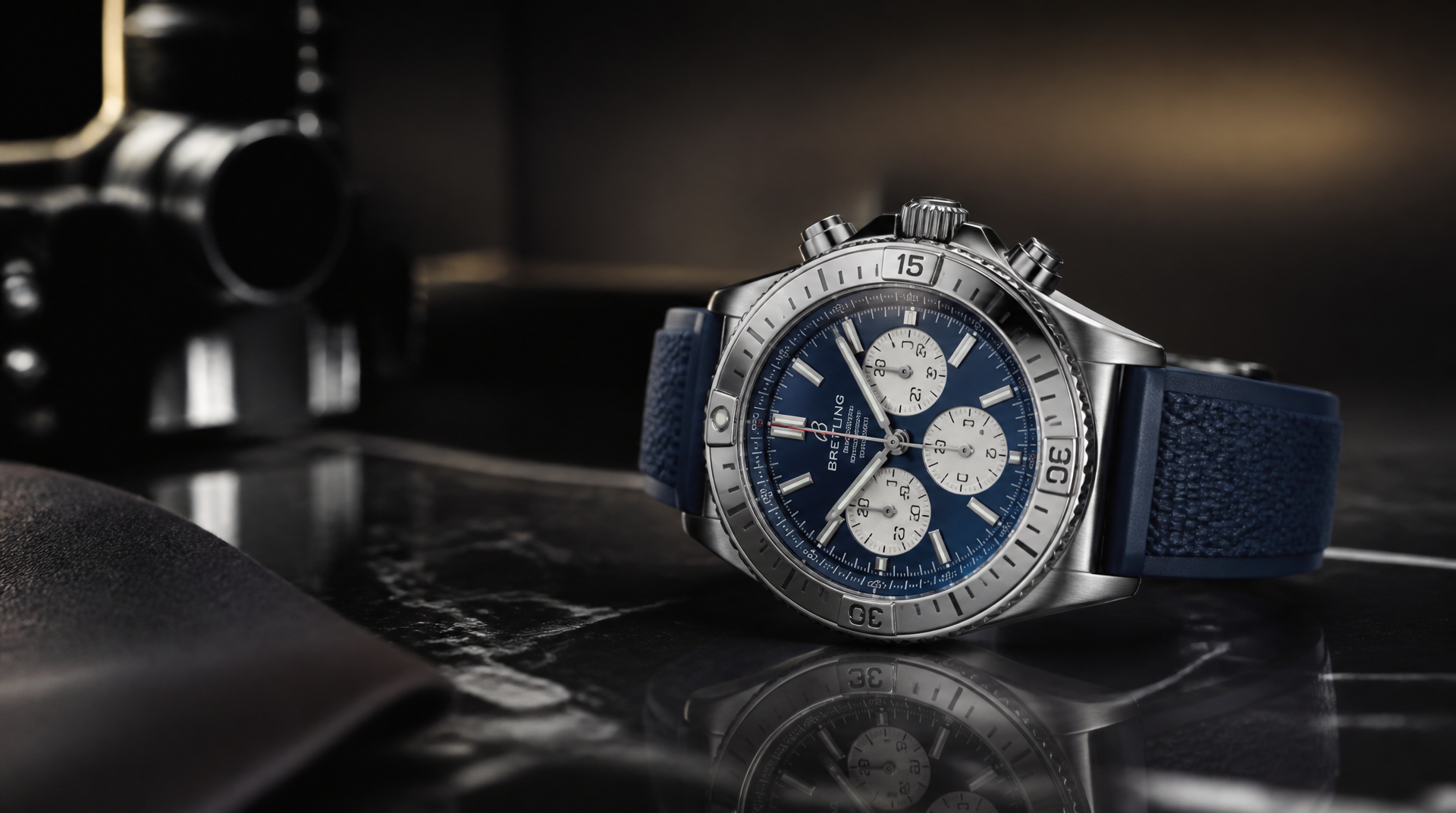
Breitling’s value becomes clearest when you stop treating it as a financial asset and start evaluating it as a daily-wear tool watch with a strong personality. The sweet spot is the buyer who wants a mechanical chronograph with a slide-rule bezel, a distinctive case profile, and a bracelet that feels more like machinery than jewelry. Watches such as the Navitimer B01 Chronograph, the Superocean, or the Premier collection all wear unapologetically large, and their appeal lies in that confident presence. If you’ve handled a Tudor Black Bay Chrono or an Omega Speedmaster and found them too safe, Breitling’s extroversion is exactly why the price tag makes sense.
What makes the investment work is that Breitling delivers an in-house, chronometer-certified movement at a base price that, while high, undercuts the next tier of fully manufacture chronographs by a meaningful margin. A new Breitling starts around $3,550 for an entry-level model like the Endurance Pro, while the manufacture chronographs, such as the Navitimer B01, begin near $9,400. A comparable Rolex Daytona, if you could walk out of a boutique with one, would cost at least $15,000—and more realistically much more on the secondary market. Breitling gives you a COSC-certified, column-wheel chronograph with a 70-hour power reserve in a package that instantly reads as a serious watch. For a buyer who values that mechanical depth but doesn’t care about brand prestige as a social signal, the money is well spent.
A failure mode worth catching early is treating the purchase as a stepping stone. If you’re already calculating what the watch will fetch in three years when you trade up, Breitling will almost certainly let you down. The pre-owned market is the quickest litmus test: search for the exact reference you’re considering, and if a watch that retailed at $9,400 consistently appears around $5,000–$5,600 after only two years, you are looking at a consumption good, not a store of value. Confirming that tolerance before stepping into a boutique prevents buyer’s remorse that has nothing to do with the watch’s build quality.
Main Trade-Offs
The most unavoidable trade-off is depreciation. Data from pre-owned watch marketplaces shows standard-production Breitling models shedding roughly 40–50% of their MSRP within the first three years. A Navitimer B01 Chronograph 43 that retails for $9,400 typically appears on the secondary market between $5,000 and $5,600. To put that in perspective, an Omega Speedmaster Professional Moonwatch—which can be had new for around $7,000—often fetches 65–75% of its purchase price over the same period. The difference matters because it directly affects your exit path. Few people buy a luxury watch intending to keep it forever, and Breitling’s depreciation curve means an early sale stings more than it would with a Rolex or even a Tudor.
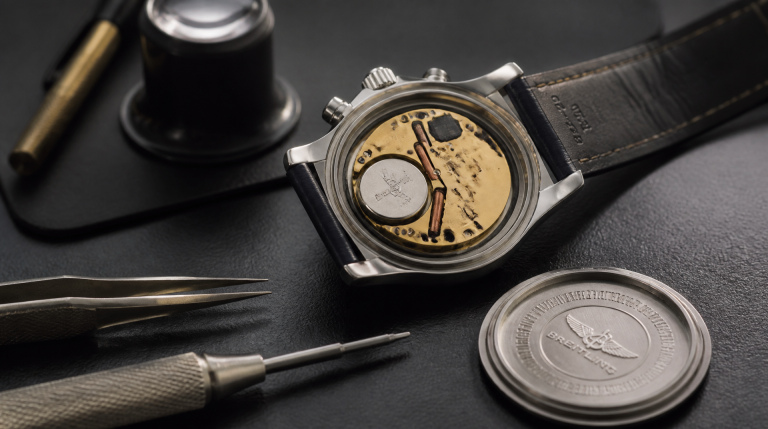
Service costs are the second quiet drag on long-term value. Breitling recommends a complete service every five to seven years, and for a manufacture chronograph like the B01, a factory overhaul costs about $750. A simpler three-handed Superocean can be closer to $500–$600, but that’s still a recurring four-figure line item across a decade of ownership. Independent watchmakers can service older ETA-based Breitling calibers for less, but the modern in-house movements often require factory-only parts, leaving you with the full official tariff. If you’re stretching to the top of your budget to buy the watch and haven’t planned for service, the first maintenance bill can sour the ownership experience.
To make these numbers concrete, here is how a typical Breitling stacks up against alternatives in the same conversation:
| Model | Approx. New Price (2026 USD) | Typical 3-Year Resale Value | Factory Service Estimate (Chronograph) |
|---|---|---|---|
| Breitling Navitimer B01 Chronograph 43 | $9,400 | 50–60% ($4,700–$5,600) | ~$750 |
| Omega Speedmaster Professional Moonwatch | $7,000 (Hesalite) | 65–75% ($4,550–$5,250) | ~$750 |
| Tudor Black Bay Chrono | $5,400 | 75–80% ($4,050–$4,320) | ~$500 |
| Rolex Daytona (steel, when available at retail) | ~$15,100 (list) | 100%+ (often above retail) | ~$1,000 |
These figures reflect common pre-owned market behavior, not guaranteed returns. Still, the pattern is instructive. Breitling’s value retention lags behind Omega and Tudor on a percentage basis, and the Rolex outlier sits in a different league. That does not make a Breitling irrational; it simply means the buyer who prioritizes personality, dial presence, and a distinctly non-generic design will accept a softer resale outcome. The trade-off is aesthetic character in exchange for lower financial buoyancy, and whether that works for you is a personal equation, not a universal truth.
When to Skip a Breitling Watch
Skip Breitling if your purchase logic centers on what the watch will be worth when you trade up in three years. The brand’s resale performance consistently underperforms compared to Rolex, Patek Philippe, and even Tudor on a percentage basis. If you view a watch as a temporary asset that must recoup most of its cost to fund the next purchase, you will exit a Breitling with a larger loss—and likely a sour taste that isn’t the watch’s fault. Recognizing that upfront prevents a mismatch between expectations and reality.
You should also look past Breitling if your daily environment rewards subtlety. Many models are deliberately large and visually loud. The Navitimer’s complex slide-rule bezel and the chunky Superocean case do not disappear under a dress cuff, and the polished center links on many bracelets pull more attention than some owners want in a professional setting. If you need a watch that transitions seamlessly from a client meeting to dinner, an Omega Aqua Terra or a Grand Seiko will deliver the same mechanical satisfaction in a less conspicuous package. Likewise, if you find busy dials fatiguing, Breitling’s multi-scale, multi-texture aesthetic can grate after the honeymoon wears off, turning a first crush into long-term fatigue.
For a better alternative, start with what you actually want from the Breitling. If it’s aviation heritage and chronograph credibility with a cleaner resale curve, the Omega Speedmaster Professional is the safer pick, often retaining a larger percentage of its value and carrying a narrative that holds cultural weight. If you want a rugged tool watch with an in-house movement at a lower entry price, the Tudor Black Bay Chrono or Pelagos both deliver impressive build quality and forfeit a far smaller slice of their initial cost.
And if the Navitimer dial is the one thing you cannot ignore, the smartest path is to buy pre-owned from a reputable dealer. The first owner has already absorbed the steepest depreciation, and your ownership equation starts with a much smaller gap between what you pay and what the market will bear later.
Bottom Line
A Breitling is worth it for the buyer who prioritizes bold design, pilot-watch DNA, and a legitimate manufacture chronograph movement over spreadsheet-grade resale performance. It is not an investment vehicle, and it will not preserve its sticker price like a Daytona or a Submariner, but that does not weaken its validity as a daily-wear piece of engineering. It simply means you’re buying a watch for the experience, not a hedge.
Before you commit, work through this short decision sequence:
- Weigh character against resale. If a significant loss at resale blocks your enjoyment, stop here and look toward Rolex or Omega. If personality matters more, Breitling remains a legitimate candidate.
- Budget for service. Plan $600–$800 every five to seven years and confirm you won’t resent the bill when it arrives. A surprise service cost can sour an otherwise happy ownership.
- Verify fit on your wrist. Try on both a 43mm Navitimer and a 44mm Superocean before purchasing. Breitling’s case shapes and long lugs often wear larger than the numbers suggest, and a watch that feels unwieldy after an hour on your wrist will never settle into a comfortable daily companion.
If character wins, the service cost doesn’t frighten you, and the watch sits naturally on your arm, you’ve found your Breitling. If any of those points gives you genuine pause, step back, try the alternatives, and return to Breitling only when the trade-offs no longer feel like compromises.
Explore This Topic
- Back to Breitling
- Back to Breitling Value Assessment
Related guides in this cluster:
- Fossil Watch Battery Replacement: Complete Guide for All Models
- Tag Heuer Serial Number Guide: How to Check & Authenticate Your Watch
- Seiko Watch Nicknames Guide: Batman, Willard, Turtle, Samurai & More

The We Know Watches editorial team brings together over 40 years of combined watch collecting, trading, and repair experience. Our editors have owned and handled watches from every major brand — from entry-level Seiko 5s to Rolex, Omega, Patek Philippe, and independent Swiss watchmakers. We’ve bought and sold at auction, worked with authorized dealers, visited manufacturing facilities in Switzerland and Japan, and serviced hundreds of movements ranging from the Seiko 7S26 to the Longines L888. Every guide and review we publish is based on hands-on experience, original research, and consultation with professional watchmakers. We do not accept payment for reviews, and we clearly disclose when we use affiliate links.