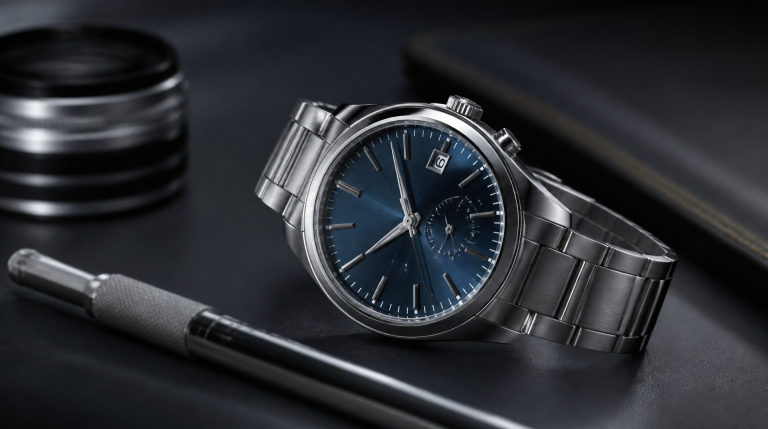
Measuring a Cartier watch link is an essential skill for both watch enthusiasts and owners seeking a perfect fit. With the brand’s reputation for precision and elegance, understanding how to accurately assess the size of your watch link can enhance both comfort and style. This article will guide you through the necessary tools and techniques required to ensure a proper measurement, while also addressing the nuances associated with different Cartier models. By following our step-by-step approach, you will be equipped to make informed adjustments and maintain the integrity of your timepiece. Additionally, we will highlight common pitfalls to avoid, ensuring your Cartier watch remains a cherished accessory for years to come.
Key Takeaways
Use precise tools like calipers and a pin pusher for accurate link adjustments.
Familiarize yourself with the specific Cartier watch model and its unique features for effective measurements.
Ensure the watch is laid flat during measurement to avoid scratches and achieve accurate readings.
Regular maintenance and servicing are essential for the longevity and performance of Cartier watches.
Choosing the Right Tools for Measurement
Selecting appropriate tools for measurement is essential to ensure accuracy and precision when adjusting a Cartier watch link. A caliper is a fundamental tool that provides precise measurements of the link’s dimensions. It allows for both internal and external measurements, making it versatile for various components. Additionally, a ruler or tape measure can be useful for quick reference and longer measurements.
For more intricate adjustments, a micrometer may be necessary to achieve finer precision. A watchmaker’s screwdriver set is also critical, as it enables the secure removal and reattachment of links without damaging the watch. Moreover, a link removal tool specifically designed for Cartier watches can facilitate the process while maintaining the integrity of the watch.
Using a magnifying glass can enhance visibility during measurement, ensuring that all aspects are carefully considered. Finally, maintaining a clean workspace will further contribute to the accuracy of the measurements taken.
Understanding Different Cartier Watch Models
Understanding the distinct features and specifications of various Cartier watch models is essential for accurate assessment and maintenance. Each model, from the iconic Tank to the sophisticated Ballon Bleu, exhibits unique design elements and technical characteristics. The materials used, such as gold, stainless steel, or ceramic, can significantly influence both the aesthetics and durability of the timepiece. Furthermore, the size and shape of the case are crucial in determining the watch’s overall fit and comfort on the wrist.
Additionally, Cartier watches often incorporate specific features like chronographs, moon phases, or skeleton dials, which may require specialized maintenance. The movements within these watches, whether mechanical or quartz, dictate the precision and longevity of the timepiece. Understanding the specific model helps in identifying compatible replacement parts, should repairs be necessary. Knowledge of limited editions or special collections can also enhance the value and appreciation of a particular watch. Ultimately, thorough knowledge of Cartier’s diverse range of models is vital for collectors and enthusiasts alike.
Identifying the Link Type
Identifying the link type of a Cartier watch is essential for accurate sizing and adjustments. Cartier offers various link styles, including the classic "brushed" and "polished" finishes. Each link type may require different tools or techniques for resizing. Additionally, some models feature removable links, while others may have fixed links, impacting the adjustment process. Recognizing whether a watch has a pin-and-tube system or a screw-in link style is crucial for proper handling. Knowing the specific link type also aids in sourcing replacement links when necessary. Moreover, certain limited editions may present unique link designs that demand special attention. Understanding these distinctions can enhance the overall watch maintenance experience. With the link type identified, one can proceed to prepare the watch for measurement.
Preparing the Watch for Measurement
Preparing the watch for measurement is essential to ensure accuracy and precision in the process. This involves a careful approach that includes gathering the necessary tools, cleaning the watch, and inspecting the links. By taking these preliminary steps, one can facilitate a seamless measurement experience.
Gather Necessary Tools
The successful gathering of necessary tools is critical for achieving precise measurements and ensuring the integrity of the watch assessment process. Essential tools typically include a fine ruler or caliper, a soft cloth, and a pin pusher for adjusting links. It is imperative to select high-quality instruments to avoid any potential damage to the watch. Additionally, having a magnifying glass can assist in inspecting the links for any wear or defects. Once the tools are assembled, the next step involves cleaning the watch to remove any debris or contaminants that could affect the measurement accuracy.
Clean the Watch
Cleaning the watch is crucial for eliminating dirt and grime that can compromise the precision of measurements. A soft, lint-free cloth should be utilized to gently wipe the watch’s surface, ensuring that no scratches occur. It is important to avoid exposing the watch to excessive moisture, as this may damage internal components. Additionally, a specialized watch cleaning solution may be applied to maintain the integrity of the metal and crystal. Regular cleaning not only enhances the watch’s appearance but also extends its lifespan and functionality.
Inspect the Links
Inspection of the links is crucial for determining the overall condition and functionality of the watch, as any signs of wear or damage can significantly affect its performance. A thorough examination should focus on identifying any scratches, dents, or corrosion that may compromise the integrity of the links. Additionally, checking for proper alignment and movement between the links is essential to ensure smooth operation. Any loose or broken links must be addressed promptly to avoid further complications. Overall, this step is vital for maintaining the longevity and reliability of the timepiece.
Measuring the Link Length Accurately
Accurate measurement of the link length is essential for ensuring proper fit and functionality of the Cartier watch. To achieve this, one must utilize a precise measuring tool, such as calipers, to ensure the accuracy of the measurements. Begin by removing the watch from the wrist and laying it flat on a soft surface to avoid scratches. Identify the specific link or section of the bracelet that requires measurement. Carefully measure the length of the link, ensuring that the tool is aligned straight and snug against the link edges. Record the measurement in millimeters for consistency and clarity. It is advisable to measure multiple links if necessary, especially if adjustments are needed for sizing. If discrepancies are noted, repeat the measurement process to confirm accuracy. Proper measurement will facilitate the correct adjustment of the watch bracelet, ensuring optimal comfort and wear.
Adjusting the Links for a Perfect Fit
Adjusting the links of a Cartier watch is essential for achieving a comfortable and secure fit. This process requires careful attention to detail and the appropriate tools to ensure precision. The following points outline the necessary tools and a step-by-step adjustment process to facilitate this task.
Choosing the Right Tools
Selecting appropriate tools is crucial for ensuring a successful link adjustment process for a Cartier watch. A high-quality watch link removal tool, such as a pin pusher or a spring bar tool, is essential for safe removal of links. Additionally, a precision screwdriver set allows for easy access to screws that may secure the links. It is also beneficial to have a soft cloth or mat to protect the watch from scratches during the adjustment. Finally, magnifying glasses can aid in the intricate details of the link structure to ensure accuracy in the adjustment process.
Step-by-Step Adjustment Process
A systematic step-by-step adjustment process is crucial for ensuring that the links of a Cartier watch are resized correctly without damaging the timepiece. Begin by determining the desired length and identifying the links to be removed. Use the appropriate tool to carefully push out the pins connecting the links, ensuring not to apply excessive force. After removing the necessary links, reassemble the bracelet by inserting the pins securely back into place. Following this adjustment, it is essential to consider regular maintenance tips to preserve the integrity and functionality of your Cartier watch.
Tips for Maintaining Your Cartier Watch
Regular maintenance of your Cartier watch is essential to ensure its longevity and optimal performance. To maintain its pristine condition, it is advisable to have the watch serviced by a certified Cartier technician every three to five years. Regularly check for any signs of wear, such as scratches on the case or bracelet, and address them promptly. Additionally, ensure that the watch is cleaned gently with a soft cloth to remove dirt and oils that may accumulate over time. It is crucial to keep the watch away from extreme temperatures and magnetic fields to prevent damage to its intricate movements. Water resistance should be tested periodically, especially if the watch is frequently exposed to moisture. When not in use, store the watch in a cool, dry place, preferably in its original box or a dedicated watch case. Avoid exposing the watch to harsh chemicals, perfumes, or lotions that could harm its finish. Lastly, always be cautious when adjusting the time and date settings to avoid damaging the movement.
Common Mistakes to Avoid When Measuring Links
Common mistakes when measuring Cartier watch links often stem from a lack of attention to detail, leading to inaccurate assessments of link sizes. One prevalent error is using the wrong measuring tool, which can result in miscalculations. Additionally, failing to account for the curvature of the links can yield misleading measurements. Another common mistake involves not measuring all links consistently, potentially overlooking variations in size. Users may also neglect to ensure that the watch is in a relaxed position, which can affect the accuracy of the measurement. Furthermore, relying solely on visual estimates without precise measurements can lead to significant discrepancies. It is also crucial to remember that different models may have unique link configurations, which can complicate the measurement process. Ignoring the manufacturer’s guidelines can further exacerbate these issues. Lastly, not double-checking measurements increases the risk of errors, underscoring the importance of diligence in this task.
If you’re interested in luxury timepieces, you might also enjoy exploring the fascinating history of Seiko dress watches. This article provides an in-depth look at how Seiko has evolved over the years and its impact on the watch industry. You can read more about it here.

The We Know Watches editorial team brings together over 40 years of combined watch collecting, trading, and repair experience. Our editors have owned and handled watches from every major brand — from entry-level Seiko 5s to Rolex, Omega, Patek Philippe, and independent Swiss watchmakers. We’ve bought and sold at auction, worked with authorized dealers, visited manufacturing facilities in Switzerland and Japan, and serviced hundreds of movements ranging from the Seiko 7S26 to the Longines L888. Every guide and review we publish is based on hands-on experience, original research, and consultation with professional watchmakers. We do not accept payment for reviews, and we clearly disclose when we use affiliate links.