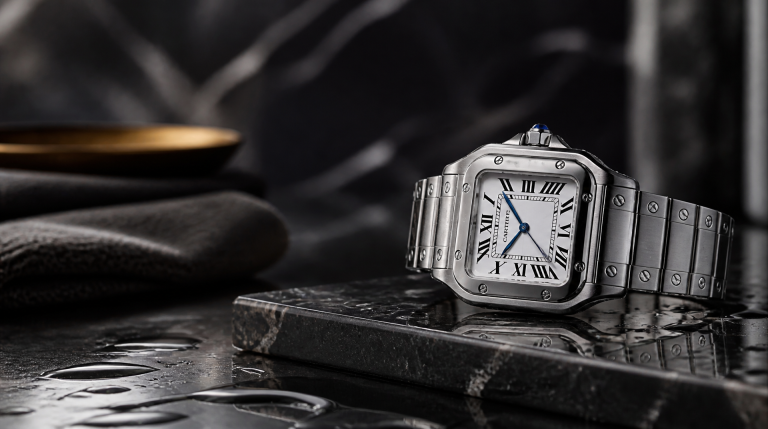
When I first started exploring the world of luxury watches, I couldn’t help but wonder, "Are all Cartier watches quartz?" As I delved deeper into Cartier’s rich history, I discovered a fascinating blend of both quartz and mechanical movements. Each type has its unique charm and functionality, which makes the choice between them quite interesting. In this article, I’ll share my findings on popular Cartier models and the differences in their movements. Join me as we unravel the intricacies of Cartier watches and help you decide which might be the perfect fit for you.
Key Takeaways
Cartier offers both quartz and mechanical watch options, catering to different preferences and lifestyles.
Quartz watches are known for their precision, reliability, and low maintenance, while mechanical watches showcase traditional craftsmanship and artistry.
Notable models include the Tank Solo and Ballon Bleu for quartz, and the Tank, Santos de Cartier, and Calibre de Cartier for mechanical.
Future advancements may include health tracking and hybrid movements, alongside a growing focus on sustainability in production.
The History of Cartier Watches
Cartier watches have a fascinating history that reflects both luxury and innovation. I’ve always been intrigued by how these timepieces evolved from their origins to become symbols of status and artistry. Now, let’s delve into the origins of Cartier watches and explore their evolution in watchmaking styles.
Origins of Cartier Watches
I’ve always found the origins of Cartier watches to be a captivating blend of craftsmanship and elegance. Founded in 1847, Cartier quickly established a reputation for creating exquisite designs that reflected the tastes of the elite. The brand’s dedication to quality and artistic detail set it apart from its contemporaries. Over the years, Cartier introduced iconic models that showcased innovative features and luxurious materials. With such a rich history, it’s fascinating to see how these timepieces have progressed into the evolution of watchmaking styles.
Evolution of Watchmaking Styles
The evolution of watchmaking styles has always fascinated me, showcasing how artistry and technology have intertwined over the years. I’ve watched as traditional craftsmanship gave way to modern manufacturing techniques. It’s incredible how designs have shifted from ornate to minimalist, yet still maintain that luxurious feel. I appreciate the balance between precision engineering and aesthetic beauty in each piece. Each style tells a story of its time, reflecting both cultural shifts and advancements in horology.
Understanding Quartz Movements
Understanding quartz movements really fascinates me because of their precision and reliability. I love how these timepieces utilize a small quartz crystal to keep accurate time. It’s impressive to think how a simple battery can power such an intricate mechanism. I’ve always appreciated the low maintenance required with quartz watches. The way they can withstand variations in temperature is just remarkable. I find it fascinating that they can be produced at a lower cost than mechanical watches. Watching a quartz watch tick is almost mesmerizing in its simplicity. I admire how brands like Cartier incorporate this technology into their designs. Now, I’m eager to delve into exploring mechanical movements and their unique charm.
Exploring Mechanical Movements
Now that I’ve got a grasp on quartz movements, I’m eager to dive into the world of mechanical movements. I’ve always been fascinated by the intricate craftsmanship and history behind these timepieces. Let’s explore the various types, advantages, and iconic models that make mechanical watches so special.
Types of Mechanical Movements
Different types of mechanical movements, like manual and automatic, really highlight the diversity in watchmaking that I find so captivating. I appreciate how manual movements require winding, connecting me to the watch in a personal way. On the other hand, automatic movements wind themselves through the motion of the wrist, showcasing innovative engineering. Each type offers a unique experience, making it hard to choose a favorite. Understanding these differences leads me to consider the advantages of mechanical watches.
Advantages of Mechanical Watches
One of the biggest advantages of mechanical watches is their ability to be serviced and maintained over time, so I can enjoy them for many years. I love knowing that with proper care, my watch can last a lifetime and even be passed down through generations. The craftsmanship involved in creating these movements captivates me, making each piece feel unique and special. I appreciate the artistry behind the intricate mechanisms that power these watches, giving them character and charm. This deep-rooted tradition leads me to explore the rich history of mechanical timepieces.
History of Mechanical Timepieces
I’m fascinated by how mechanical timepieces have evolved over centuries, reflecting advancements in technology and artistry. I love learning about the early escapements and how they laid the foundation for modern horology. The intricate designs of pocket watches from the 17th and 18th centuries truly captivate me. It’s amazing to see how craftsmanship has transformed, leading to the creation of wristwatches in the 20th century. Each era tells a unique story, showcasing human ingenuity and passion for precision.
Famous Mechanical Cartier Models
Cartier’s iconic mechanical models, like the Tank and the Ballon Bleu, always captivate me with their elegant designs and precision engineering. I can’t help but admire the craftsmanship that goes into each movement, showcasing the brand’s dedication to horological excellence. The Santos de Cartier holds a special place in my heart, blending classic style with innovative features. I find the Calibre de Cartier particularly intriguing, as it merges traditional watchmaking with modern aesthetics. Each of these models tells a story of luxury and sophistication, making them timeless pieces in my collection.
Popular Cartier Quartz Models
Some of my favorite Cartier quartz models include the Tank Solo and the Ballon Bleu. I love the elegance and simplicity of the Tank Solo; it’s a classic piece that never goes out of style. The Ballon Bleu, on the other hand, stands out with its unique round shape and crown. I appreciate how both models combine luxury with practicality, making them perfect for everyday wear. The accuracy of quartz movements is something I really value, and Cartier delivers that beautifully. I often find myself drawn to the sleek designs that Cartier offers in their quartz collection. The versatility of these watches allows me to pair them with various outfits, from casual to formal. I’ve also noticed that Cartier quartz models tend to be quite lightweight, which adds to their comfort. Now, let’s explore some notable Cartier mechanical timepieces that showcase the brand’s craftsmanship.
Notable Cartier Mechanical Timepieces
When I think about notable Cartier mechanical timepieces, I’m reminded of the brand’s rich heritage and craftsmanship. These watches not only showcase intricate movements but also carry a historical significance that sets them apart. It’s fascinating to explore the iconic models and features that define Cartier’s mechanical offerings.
Iconic Cartier Mechanical Models
The iconic Cartier mechanical models, like the Tank and the Ballon Bleu, have always captivated me with their timeless elegance and innovative design. Each timepiece tells its own story, reflecting the artistry and precision that Cartier is known for. I love how these watches combine classic aesthetics with modern functionality, making them true statements of luxury. The details in their craftsmanship never cease to amaze me, from the smooth lines to the exquisite dials. It’s this blend of beauty and engineering that leads me to appreciate the standout features of mechanical watches.
Features of Mechanical Watches
Mechanical watches have a unique charm that captivates me with their precise engineering and timeless design. I love the sound of the ticking movement, which feels alive in my hand. The craftsmanship involved in creating each piece is nothing short of mesmerizing. I’m often drawn to the intricate details, from the gears to the dials, that showcase a watchmaker’s skill. There’s something special about wearing a piece of art that operates on its own without the need for a battery.
Historical Significance of Cartier
I’ve always appreciated how Cartier’s pieces not only tell time but also reflect the essence of various historical periods and influences. Each watch seems to encapsulate a moment in history, making them more than just timepieces. I can’t help but admire how the design elements pay homage to the eras they represent. The craftsmanship involved tells a story of innovation and artistry that transcends generations. It’s remarkable how Cartier manages to blend tradition with modernity in their mechanical watches.
Comparing Accuracy and Maintenance
When I think about accuracy and maintenance in watches, it’s clear that the two go hand in hand. I often find myself weighing the precision of quartz against the upkeep required for mechanical models. This comparison leads me to consider the accuracy of quartz watches, the maintenance needs of mechanical ones, and how their long-term performance stacks up.
Accuracy of Quartz Watches
Quartz watches are known for their exceptional accuracy, and I appreciate how reliable they are for keeping time. I’ve noticed that they tend to have minimal deviation, often just a few seconds a month. It’s comforting to know I can count on them for precise timekeeping in my daily routine. I enjoy the fact that I don’t have to adjust them frequently, unlike some mechanical watches. Overall, their accuracy makes them a great choice for anyone who values punctuality.
Mechanical Watch Maintenance Needs
Maintaining a mechanical watch can be quite the commitment, but it’s something I enjoy embracing. I love winding it regularly, feeling the intricate gears come to life. It gives me a sense of connection to the craftsmanship behind the watch. I also appreciate the periodic servicing, knowing it keeps my timepiece running smoothly. Ultimately, the care I invest makes wearing it all the more rewarding.
Long-Term Performance Comparison
Long-term performance really highlights the stark differences between quartz and mechanical watches for me. I’ve noticed that quartz watches tend to maintain their accuracy over the years with minimal intervention. On the other hand, mechanical watches require regular servicing to keep them running smoothly, which can be a hassle. I appreciate the craftsmanship of mechanical movements, but I can’t deny the reliability of quartz technology. As I consider these factors, it’s clear I need to choose between quartz and mechanical options that best suit my lifestyle.
Choosing Between Quartz and Mechanical
When I’m faced with the choice between quartz and mechanical watches, I often find myself weighing the pros and cons of each. It’s intriguing to consider how both types have their unique charm and functionality. Let’s dive into the key differences and advantages before deciding what suits my style best.
Key Differences Explained
The key differences between quartz and mechanical watches really highlight how each caters to different preferences and lifestyles. I appreciate that quartz watches are often more accurate and require less maintenance. On the other hand, I love the intricate craftsmanship and tradition behind mechanical watches. When I think about longevity, mechanical options often stand out due to their timeless appeal. Ultimately, my choice depends on whether I’m looking for convenience or a piece of art on my wrist.
Advantages of Each Type
I appreciate how quartz watches offer accuracy and low maintenance, while mechanical ones showcase intricate craftsmanship and tradition. I love the convenience of setting a quartz watch and not having to worry about winding it. There’s something special about the timeless elegance of a mechanical watch that draws me in every time. I find myself admiring the artistry involved in creating a finely tuned movement. Ultimately, both types have their own unique allure that I can’t resist.
Factors Influencing Your Choice
Personal preferences and lifestyle often play a huge role in what watch I choose. I tend to lean towards quartz when I need reliability and precision in my daily routine. On the other hand, I appreciate the craftsmanship and artistry of mechanical watches for special occasions. My choice can also be influenced by the watch’s design and how it complements my wardrobe. As I consider these factors, I can’t help but wonder about the future of Cartier watch movements.
The Future of Cartier Watch Movements
I see a remarkable evolution ahead for Cartier watch movements. It’s exciting to think about how advancements in technology could redefine both quartz and mechanical options. As I consider the future, sustainability and hybrid innovations are at the forefront of my mind.
Advancements in Watch Technology
Advancements in watch technology have me eager to see how features like smart connectivity and enhanced durability will transform the luxury watch experience. I’m particularly fascinated by the potential for integrating health-tracking capabilities into high-end designs. It feels like we’re on the brink of merging traditional craftsmanship with cutting-edge functionality. I can’t help but wonder how these innovations will appeal to both collectors and tech enthusiasts alike. This leads me to think about the exciting world of hybrid movement innovations.
Hybrid Movement Innovations
Hybrid movement innovations promise to blend traditional craftsmanship with cutting-edge technology, and I’m eager to see how this will transform the luxury watch market. I can’t help but imagine the intricate designs that could emerge from this fusion. It’s thrilling to think about the potential for enhanced accuracy and longevity in timepieces. I believe these advancements will attract a new generation of watch enthusiasts. As we look ahead, it’s crucial to consider how these innovations can also support sustainability in watch production.
Sustainability in Watch Production
Sustainability in watch production is becoming increasingly important to me as brands strive to minimize their environmental impact. I’ve noticed more companies are adopting eco-friendly materials and practices. It’s inspiring to see how traditional craftsmanship can blend with modern sustainability efforts. I appreciate brands that prioritize transparency in their sourcing and manufacturing processes. As a consumer, I feel empowered to support watches that align with my values on sustainability.
Frequently Asked Questions
What are the price ranges for cartier quartz and mechanical watches?
When it comes to Cartier watches, the price ranges can vary quite a bit depending on whether they’re quartz or mechanical. I’ve noticed that quartz models typically start around a few thousand dollars, while mechanical watches often begin at a higher price point, sometimes exceeding ten thousand. For luxury pieces, it’s not uncommon to see prices soar into the tens of thousands for both types. Ultimately, it really depends on the specific model and its features, but I’ve found that Cartier offers a range to fit different budgets.
How do cartier watches hold their value over time?
I’ve noticed that Cartier watches tend to hold their value quite well over time. Factors like brand reputation, craftsmanship, and limited editions play a significant role in this. People often appreciate the timeless designs and quality, which makes them sought after in the resale market. Personally, I think investing in a Cartier watch can be a smart choice, especially if it’s a classic model.
Are there any specific care instructions for cartier watches?
I’ve found that taking care of my Cartier watch is really important for its longevity. I always make sure to keep it away from extreme temperatures and avoid exposing it to strong magnetic fields. Regularly cleaning it with a soft, lint-free cloth helps maintain its shine, and I get it serviced every few years to keep the movement in top condition. By following these simple care instructions, I’m confident my watch will last and retain its beauty for years to come.
Conclusion
In exploring the world of Cartier watches, I’ve come to appreciate the blend of luxury and craftsmanship that the brand embodies. Whether one prefers the precision of quartz or the artistry of mechanical movements, there’s something for every taste and lifestyle. I find it fascinating how advancements in technology may shape the future of these timepieces, merging tradition with innovation. The enduring value of Cartier watches, along with their captivating stories and heritage, truly sets them apart in the luxury market. Ultimately, choosing between quartz and mechanical is a personal journey that reflects individual preferences and values.
If you’re interested in learning more about Cartier watches, I highly recommend visiting this informative page on how to identify genuine Cartier watches using serial numbers. Understanding the authenticity of your watch is crucial, and this resource provides valuable insights. You can explore it further at this link.

The We Know Watches editorial team brings together over 40 years of combined watch collecting, trading, and repair experience. Our editors have owned and handled watches from every major brand — from entry-level Seiko 5s to Rolex, Omega, Patek Philippe, and independent Swiss watchmakers. We’ve bought and sold at auction, worked with authorized dealers, visited manufacturing facilities in Switzerland and Japan, and serviced hundreds of movements ranging from the Seiko 7S26 to the Longines L888. Every guide and review we publish is based on hands-on experience, original research, and consultation with professional watchmakers. We do not accept payment for reviews, and we clearly disclose when we use affiliate links.