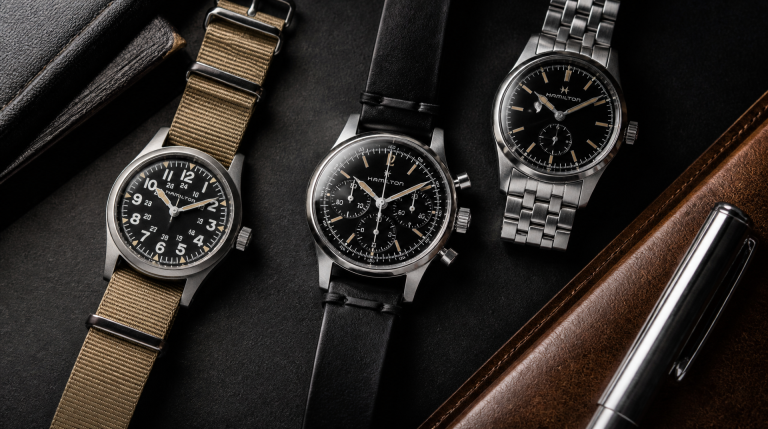
Removing the back of a Hamilton pocket watch requires precision and care to avoid damaging both the timepiece and its intricate mechanisms. This delicate process is essential for maintenance, battery replacement, or repairs, and demands the right tools and techniques. In this article, we will provide comprehensive tips to safely remove the back of a Hamilton pocket watch, ensuring that enthusiasts and collectors can undertake the task with confidence. We will discuss the importance of preparing your workspace, the step-by-step removal process, and common mistakes to avoid. By following these guidelines, you can preserve the integrity of your watch while enhancing your horological skills.
Key Takeaways
Use specialized tools like a case opener, precision screwdrivers, and tweezers to prevent damage and ensure safe handling.
Prepare a clean, organized workspace with adequate lighting and a soft, padded surface to minimize distractions and avoid scratches.
Follow a careful step-by-step process for removal, inspecting interior components for wear or damage after the back is removed.
Avoid common mistakes such as using improper tools, neglecting cleanliness, and rushing the process, which can lead to damage and misalignment.
Choosing the Right Tools
Selecting the appropriate tools is essential for ensuring the safe and efficient removal of the back from a Hamilton pocket watch. A case opener specifically designed for pocket watches is highly recommended to prevent damage to the watch case. Additionally, using a soft cloth can help protect the surface of the watch while working. Precision screwdrivers should be utilized for any screws that may be securing the back in place. Finally, having a pair of tweezers on hand can assist in handling small components without risk of dropping or losing them.
Preparing the Workspace
A clean and organized workspace is essential for ensuring precision and safety when handling delicate components of a Hamilton pocket watch. Adequate lighting should be provided to enhance visibility and reduce the risk of errors during the removal process. It is advisable to use a soft, padded surface to prevent scratches or damage to the watch casing. All necessary tools should be readily accessible, arranged neatly to avoid confusion or loss during the task. Finally, minimizing distractions in the environment will help maintain focus and promote meticulous handling of the watch components.
Step-by-Step Removal Process
The step-by-step removal process for the back of a Hamilton pocket watch requires careful attention to detail and the appropriate tools to ensure the integrity of the timepiece. Begin by placing the watch on a soft, clean surface to prevent scratches. Use a case knife or a similar tool to gently pry open the back, applying even pressure to avoid damaging the casing. Once the back has been loosened, carefully lift it off and set it aside in a safe location. Finally, inspect the interior components for any signs of wear or damage before proceeding with any further maintenance.
Common Mistakes to Avoid
Common mistakes often include using excessive force or improper tools, which can lead to damage to the watch case or mechanism. Another common error is neglecting to clean the area around the back cover, which may introduce debris into the watch. Failing to assess the type of back cover before attempting removal can result in using the wrong technique. Additionally, rushing the process without proper preparation can lead to misalignment or scratches. Lastly, attempting to remove the back without the appropriate safety measures can increase the risk of injury.
Reassembling the Pocket Watch
Reassembling the pocket watch requires careful alignment of the movement and case to ensure proper functionality. Each component must be meticulously placed to avoid misalignment that could lead to operational issues. It is essential to double-check the positioning of the winding stem and ensure it fits snugly within its housing. Additionally, the use of appropriate tools will minimize the risk of damaging delicate parts during the reassembly process. Finally, once the watch is reassembled, it should be tested for accuracy and performance before being returned to service.
Conclusion
The safe removal of the back of a Hamilton pocket watch requires careful preparation and the use of appropriate tools. A clean workspace, coupled with adequate lighting, enhances the precision of the process while minimizing the risk of errors. Following the step-by-step removal guidelines ensures that the integrity of both the watch and its components is maintained. Awareness of common mistakes, such as using excessive force or neglecting cleanliness, is essential in preventing damage. Ultimately, meticulous reassembly and testing are crucial to guarantee the watch’s functionality and longevity.
If you’re interested in expanding your knowledge about watches, I highly recommend visiting this insightful page on understanding Seiko automatic watch movement features. It delves into the intricacies of how these timepieces operate, enhancing your appreciation for watchmaking. Check it out here: Understanding Seiko Automatic Watch Movement Features.

The We Know Watches editorial team brings together over 40 years of combined watch collecting, trading, and repair experience. Our editors have owned and handled watches from every major brand — from entry-level Seiko 5s to Rolex, Omega, Patek Philippe, and independent Swiss watchmakers. We’ve bought and sold at auction, worked with authorized dealers, visited manufacturing facilities in Switzerland and Japan, and serviced hundreds of movements ranging from the Seiko 7S26 to the Longines L888. Every guide and review we publish is based on hands-on experience, original research, and consultation with professional watchmakers. We do not accept payment for reviews, and we clearly disclose when we use affiliate links.