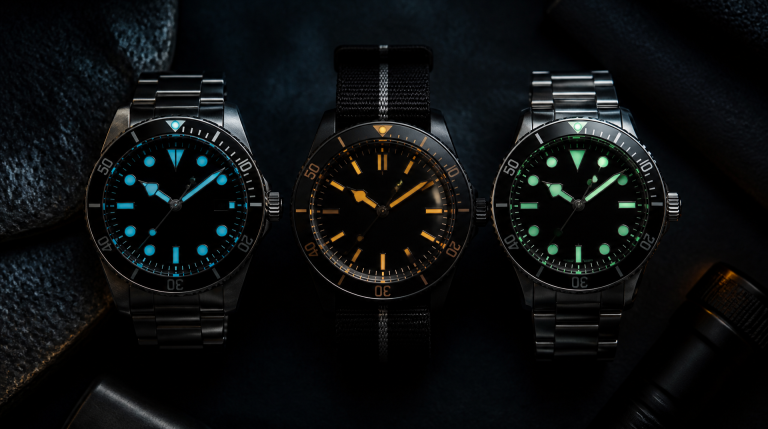
The intricacies of a Breitling automatic watch represent a remarkable confluence of precision engineering and timeless craftsmanship. With a rich history steeped in aviation and sport, Breitling has established a reputation for creating timepieces that not only serve as functional instruments but also embody luxury and style. Understanding the mechanism behind a Breitling automatic watch involves delving into key components such as the rotor, winding mechanism, and escapement, all of which work harmoniously to ensure accurate timekeeping. Additionally, the role of the balance wheel and the importance of power reserve contribute significantly to the watch’s performance and reliability. This article aims to provide a comprehensive overview of these elements, alongside maintenance tips to preserve the longevity of these exquisite timepieces.
Key Takeaways
The rotor is essential for converting kinetic energy into usable power, enhancing the reliability of the watch.
Regular maintenance every 3-5 years is crucial for optimal functionality and longevity.
The escapement regulates energy release, playing a vital role in timekeeping accuracy.
Understanding the unique components, such as the gear train and balance wheel, is key to appreciating the watch’s precision.
The History of Breitling Automatic Watches
Breitling automatic watches have a rich history that reflects the brand’s commitment to precision and innovation in the horological industry. Founded in 1884 by Léon Breitling, the company originally focused on producing chronographs, which set the stage for its future endeavors. In 1915, Breitling introduced the first wrist chronograph, revolutionizing the way timepieces were utilized in aviation and military applications. The brand’s dedication to functionality led to the creation of the Navitimer in 1952, a watch that became synonymous with pilots and aviation enthusiasts. Throughout the 20th century, Breitling continued to enhance its automatic movements, introducing the Caliber 11 in 1969, which was among the first automatic chronograph movements. The introduction of the SuperOcean model in 1957 showcased Breitling’s commitment to underwater exploration, further expanding its reputation. In the 1980s, the brand faced challenges due to the quartz crisis but emerged stronger by focusing on its core competencies in automatic technology. Today, Breitling automatic watches are celebrated for their craftsmanship, reliability, and distinctive designs. The brand’s legacy continues to evolve, solidifying its place as a leader in the luxury watch market.
Key Components of the Movement
The key components of the movement in a Breitling automatic watch play a crucial role in its precision and reliability. Understanding elements such as the escapement and gear train, as well as the rotor and balance wheel, is essential for appreciating the intricacies of its mechanism. These components work in harmony to ensure the watch operates with accuracy and durability.
Escapement and Gear Train
Precision in timekeeping is largely attributed to the escapement and gear train, which govern the release of energy and regulate the movement of the watch’s hands. The escapement acts as a control mechanism, allowing the gear train to advance in precise increments. This interaction ensures that the energy stored in the mainspring is released in a regulated manner, maintaining consistent timekeeping. The gear train, composed of a series of interlocking gears, transmits this energy to the hands of the watch, translating the mechanical movements into a readable format. Together, these components are integral to the overall functionality and accuracy of a Breitling automatic watch.
Rotor and Balance Wheel
Key elements such as the rotor and balance wheel are integral to the functionality of an automatic watch, as they regulate the movement’s timekeeping and energy efficiency. The rotor, which is connected to the mainspring, winds the watch as the wearer moves, harnessing kinetic energy to ensure continuous operation. Meanwhile, the balance wheel oscillates back and forth, controlling the release of energy from the mainspring and establishing the watch’s accuracy. This precise interaction between the rotor and balance wheel is essential for maintaining consistent timekeeping. Together, these components exemplify the sophisticated engineering that defines a Breitling automatic watch.
How the Rotor Works
The rotor is a critical component in the mechanism of a Breitling automatic watch, converting kinetic energy into usable power. Its functionality not only ensures the continuous movement of the watch hands but also plays a vital role in energy storage. Consequently, understanding the rotor’s operation is essential for appreciating its impact on timekeeping accuracy and overall watch performance.
Rotor Functionality Explained
Rotor functionality is essential for harnessing energy efficiently, as it transforms the natural motion of the wearer’s wrist into the power required to maintain the watch’s operation. This conversion process relies on the rotor’s oscillation, which is facilitated by the movement of the wrist. As the rotor spins, it engages a series of gears and mechanisms that ultimately wind the mainspring. The energy stored in the mainspring is then released gradually, powering the watch’s movement. Thus, the rotor not only contributes to the watch’s self-sufficiency but also enhances its reliability and longevity.
Energy Storage Process
Energy storage within an automatic watch relies on the efficient conversion of kinetic energy generated by the rotor’s movement, ensuring that the timepiece remains powered without the need for manual winding. The rotor moves in response to the wearer’s wrist motion, which in turn winds the mainspring, storing energy for future use. This stored energy is then gradually released to drive the gear train and power the watch’s functions. The precision in the rotor’s design allows for optimal energy transfer, maximizing the watch’s operational efficiency. Ultimately, this energy storage process is fundamental to the reliable performance and longevity of a Breitling automatic watch.
Impact on Timekeeping Accuracy
A well-calibrated mechanism significantly enhances timekeeping accuracy, ensuring that each watch maintains its reliability over extended periods. The precision of the rotor’s movement directly influences the stability of the watch’s timekeeping. Fluctuations in the rotor’s operation can lead to variations in the watch’s performance, affecting its overall accuracy. Additionally, the integration of high-quality materials and advanced engineering contributes to minimizing any potential errors in timekeeping. Ultimately, a well-functioning rotor is crucial for achieving the exceptional precision that Breitling watches are renowned for.
Maintenance and Care Tips
Regular maintenance and care are essential for preserving the functionality and longevity of a Breitling automatic watch. It is recommended to have the watch serviced every three to five years to ensure optimal performance. Additionally, regular cleaning of the case and bracelet helps prevent dirt and grime accumulation, which can affect movement. Owners should also be mindful of storing their watch in a safe, dry place to avoid exposure to extreme temperatures and humidity. Finally, winding the watch regularly, even when not worn, can keep the rotor functioning effectively.
Winding Mechanism Explained
The winding mechanism is a crucial component of automatic watches, facilitating the energy transfer necessary for their operation. Understanding this mechanism provides insight into the intricacies of timekeeping and the craftsmanship behind luxury watchmaking. As we delve deeper, we will explore an overview of the winding process and the self-winding features that enhance the functionality of a Breitling automatic watch.
Winding Process Overview
Winding process overview reveals the intricate mechanisms that allow automatic watches to maintain accurate time through the conversion of motion into energy. This process primarily involves the rotor, which is a semi-circular weight that pivots on a central axis, harnessing kinetic energy as the wearer moves. Energy generated by the rotor is transmitted to the mainspring, which stores the energy for later use. As the mainspring unwinds, it releases energy gradually, powering the watch’s movement and ensuring precision timekeeping. The seamless interaction of these components exemplifies the sophistication inherent in a Breitling automatic watch.
Self-Winding Features Explained
Self-winding features significantly enhance the convenience and efficiency of automatic watches, allowing them to harness kinetic energy from the wearer’s movements. This mechanism utilizes a rotor that spins as the wrist moves, converting motion into energy. The energy generated is then transferred to the mainspring, providing the necessary power to keep the watch running. In addition to improving accuracy, self-winding features reduce the need for manual winding, making these watches more user-friendly. Consequently, Breitling automatic watches epitomize the blend of innovative technology and luxury craftsmanship.
Escapement: The Heart of Timekeeping
The escapement serves as a crucial component in the intricate mechanism of timekeeping, regulating the release of energy within a watch. Its design and functionality directly influence the overall accuracy and performance of a timepiece, making it an essential element for precision. Understanding the various types of escapements and their maintenance is key to appreciating their role in the art of horology.
Escapement Function and Purpose
Function and purpose of the escapement revolve around its ability to control the release of energy from the mainspring, ensuring consistent movement of the gear train and maintaining accurate timekeeping. It serves as a mediator between the energy stored in the mainspring and the mechanical parts of the watch, allowing for incremental movement. The escapement consists of several components, including the escape wheel and pallet fork, which engage in a precise interaction. This interaction produces the characteristic ticking sound associated with mechanical watches, marking the passage of time. Ultimately, the escapement is fundamental in achieving the reliability and accuracy that luxury timepieces, such as those produced by Breitling, are known for.
Types of Escapements Explained
Various types of escapements, including the lever escapement and the co-axial escapement, demonstrate distinct mechanisms and characteristics that significantly affect the performance and reliability of timepieces. The lever escapement, commonly found in mechanical watches, utilizes a pallet fork to engage with the gear train, allowing for precise time regulation. In contrast, the co-axial escapement employs a unique three-part design that reduces friction and enhances accuracy over time. Other notable escapements include the tourbillon, designed to counteract gravitational effects on timekeeping, and the detent escapement, ideal for high-precision applications. Each type of escapement reflects the evolution of horological engineering and contributes uniquely to the art of watchmaking.
Impact on Time Accuracy
Precision in timekeeping is significantly affected by the design and calibration of the escapement, which plays a pivotal role in ensuring accurate time measurement. Variations in escapement mechanisms can lead to discrepancies in timekeeping, with some designs offering enhanced stability and precision. The balance wheel’s oscillation, influenced by the escapement, directly correlates to the watch’s overall accuracy. External factors such as temperature and positional changes further impact the performance of the escapement. Consequently, meticulous maintenance and adjustment are essential for preserving the time accuracy of high-end automatic watches like those produced by Breitling.
Maintenance for Longevity
Regular maintenance is essential for ensuring the longevity and optimal performance of timepieces, allowing them to withstand the test of time while preserving their intricate mechanisms. Routine servicing helps in identifying wear and tear, thereby preventing significant damage to vital components such as the escapement. Lubrication of moving parts is critical to minimize friction and ensure smooth operation, which is fundamental for accurate timekeeping. Additionally, regular cleaning of the watch case and crystal maintains aesthetic appeal and protects against external elements. Ultimately, a disciplined maintenance schedule extends the lifespan of a Breitling automatic watch, reinforcing its value as a precision instrument.
The Role of the Balance Wheel
The balance wheel serves as a crucial component in the intricate mechanism of a Breitling automatic watch, regulating the passage of time with precision. Its performance directly influences the overall timekeeping accuracy, ensuring that the watch remains reliable and trustworthy. Furthermore, understanding the maintenance of the balance wheel is essential for preserving the longevity and functionality of the timepiece.
The Function of Balance Wheel
An integral aspect of the balance wheel is its ability to maintain a consistent oscillation, which is vital for the accurate measurement of time in automatic watches. The balance wheel functions in conjunction with the hairspring, creating a harmonic motion that regulates the escapement mechanism. This oscillation is typically set at a specific frequency, influencing the watch’s overall timekeeping precision. Variations in the balance wheel’s performance can lead to discrepancies in timekeeping, underscoring its importance in the mechanism. Proper calibration and maintenance of the balance wheel are essential to ensure the watch operates at optimal performance.
Impact on Timekeeping Accuracy
Impact on timekeeping accuracy is significantly influenced by factors such as temperature variations, mechanical wear, and the quality of the materials used in the watch’s construction. Variations in temperature can cause the metal components of the movement to expand or contract, impacting the balance wheel’s performance. Mechanical wear over time can lead to deviations in the watch’s precision, necessitating regular maintenance. The selection of high-quality materials not only enhances durability but also contributes to the overall reliability of the timekeeping mechanism. Ultimately, a combination of these factors determines the precision and longevity of a Breitling automatic watch.
Maintenance of Balance Wheel
Proper maintenance of the balance wheel is essential for ensuring optimal functionality and accuracy in automatic watches. Regular servicing helps to prevent wear and tear, which can compromise the watch’s performance. Lubrication is critical to reduce friction and minimize the risk of damage to the delicate components. Environmental factors, such as temperature and humidity, should be monitored to protect the balance wheel from adverse conditions. Ultimately, diligent care of the balance wheel contributes significantly to the longevity and reliability of the timepiece.
Power Reserve and Performance
The power reserve of a Breitling automatic watch is a critical aspect that directly influences its overall performance and reliability. Understanding how power reserve operates allows enthusiasts to appreciate the intricate balance between energy storage and mechanical function. As we explore this topic further, we will delve into the various factors that affect performance, alongside maintenance strategies for longevity and methods for enhancing watch efficiency.
Power Reserve Explained
Power reserve serves as a crucial indicator of a watch’s capability to maintain accurate timekeeping without requiring frequent winding or movement. In automatic watches, the power reserve is generated through the motion of the wearer’s wrist, which winds the mainspring. The duration of the power reserve can vary significantly among different models, typically ranging from 40 to 70 hours. Factors such as the efficiency of the movement, the size of the mainspring, and the overall design contribute to the power reserve’s effectiveness. A well-maintained watch not only ensures optimal power reserve but also enhances the reliability of its performance over time.
Factors Affecting Performance
Various components, including lubrication quality, gear alignment, and environmental conditions, significantly influence the performance of a Breitling automatic watch. The precision of the watch’s movement is heavily reliant on the proper alignment of gears, which ensures optimal energy transfer. Additionally, the quality of lubricants used in the movement affects the friction and wear of components, impacting overall efficiency. Environmental factors, such as temperature and humidity, can also alter the watch’s performance by affecting mechanical parts. Regular maintenance is essential to mitigate these factors and preserve the watch’s functionality over time.
Maintenance for Longevity
Regular maintenance is essential for ensuring the longevity of a Breitling automatic watch, as it not only preserves its aesthetic appeal but also optimizes mechanical performance. Routine servicing, including lubrication and calibration, can prevent potential issues that may arise from wear and tear. Keeping the watch clean, especially the case and bracelet, helps maintain its overall appearance and functionality. Additionally, ensuring that the watch is stored properly when not in use can significantly extend its lifespan. Adhering to recommended maintenance intervals will ultimately enhance the reliability and accuracy of the timepiece.
Enhancing Watch Efficiency
Enhancing watch efficiency involves a meticulous examination of movement mechanics and lubrication practices that can significantly influence the overall performance and longevity of the timepiece. Optimizing the gear train and ensuring precise alignment are essential to minimize friction and energy loss. Regular maintenance, including thorough cleaning and appropriate lubrication, is crucial to sustain the watch’s operational integrity. Employing high-quality lubricants can enhance the movement’s responsiveness and durability under varying conditions. Ultimately, a well-executed strategy for enhancing efficiency not only improves timekeeping accuracy but also extends the life of the watch.
Maintenance Tips for Longevity
Proper maintenance plays a crucial role in ensuring the longevity and optimal performance of a Breitling automatic watch. Regularly winding the watch, even if not worn daily, helps maintain the movement’s lubrication. It is advisable to service the watch every three to five years to address wear and tear. Keeping the watch clean is essential; use a soft, lint-free cloth to remove dust and dirt. Avoid exposing the watch to extreme temperatures and magnetic fields, which can affect its accuracy. Water resistance should be checked periodically, especially before engaging in aquatic activities. Storing the watch in a proper case protects it from physical damage and environmental factors. Be mindful of the materials; leather straps require conditioning, while metal bracelets may need polishing. By adhering to these maintenance tips, the watch’s performance and aesthetics can be preserved over time.
Conclusion
In summary, the intricate mechanism of a Breitling automatic watch showcases the brand’s commitment to precision and innovation in horology. The harmonious interaction of key components, including the escapement and rotor, underscores the importance of energy management for accurate timekeeping. Maintenance practices play a vital role in sustaining the watch’s performance and longevity, highlighting the necessity of regular servicing and care. Furthermore, the brand’s historical evolution reflects resilience in adapting to changing market demands while maintaining a focus on automatic technology. Ultimately, the continued popularity of Breitling watches is a testament to their engineering excellence and enduring appeal.
If you’re interested in expanding your watch knowledge, I highly recommend checking out this informative guide on "How to Measure Lug Size on a Hamilton Watch." Understanding lug size is essential for watch enthusiasts, and this resource provides clear instructions to help you with your measurements. You can navigate to the guide here for more insights!

The We Know Watches editorial team brings together over 40 years of combined watch collecting, trading, and repair experience. Our editors have owned and handled watches from every major brand — from entry-level Seiko 5s to Rolex, Omega, Patek Philippe, and independent Swiss watchmakers. We’ve bought and sold at auction, worked with authorized dealers, visited manufacturing facilities in Switzerland and Japan, and serviced hundreds of movements ranging from the Seiko 7S26 to the Longines L888. Every guide and review we publish is based on hands-on experience, original research, and consultation with professional watchmakers. We do not accept payment for reviews, and we clearly disclose when we use affiliate links.