
The Breitling chronograph watch is renowned for its precision and functionality, appealing to both watch enthusiasts and professionals alike. This sophisticated timepiece combines traditional craftsmanship with advanced technology, making it a staple in aviation and sports. Understanding the intricacies of its chronograph mechanism is essential for appreciating its full potential. In this article, we will explore the key features that distinguish Breitling chronographs, their practical applications, and the essential timing functions they offer. Additionally, we will discuss maintenance and care tips to ensure the longevity of your Breitling chronograph watch.
The Chronograph Mechanism
The chronograph mechanism is a sophisticated feature found in many high-end timepieces, including those produced by Breitling. This intricate system combines the functions of timekeeping with precise timing capabilities, allowing for the measurement of elapsed time with remarkable accuracy. Understanding the key components and operation of the chronograph function is essential for appreciating its engineering marvel.
Key Components Explained
Key components of the chronograph mechanism include the column wheel, which facilitates the start, stop, and reset functions, and the chronograph lever, which engages and disengages the timing operation. Additionally, the chronograph seconds hand provides real-time measurement of elapsed seconds, while the sub-dials often display minutes and hours for longer intervals. The tachymetric scale, typically located on the watch bezel, allows for the calculation of speed based on time and distance. The escapement system ensures the precision of the timing, regulating the release of energy from the mainspring. Finally, the integration of these components exemplifies the meticulous craftsmanship and engineering excellence characteristic of Breitling watches.
Operating the Chronograph Function
Operating the chronograph function requires a precise sequence of actions, typically initiated by pressing the start/stop pushers, which activate the timing mechanism while ensuring accurate measurement of elapsed time. Once the timing has commenced, the elapsed time can be tracked via the sub-dials, which display minutes and seconds. To pause the timing, the same start/stop pusher is pressed again, allowing for a brief review of the recorded time. Resetting the chronograph to zero is accomplished by engaging the reset pusher, which reverts the sub-dials to their starting positions. Mastery of these operations is essential for effectively utilizing the chronograph feature in a Breitling watch.
Key Features of Breitling Chronographs
Notable features of Breitling chronographs include precision timing mechanisms, robust construction, and a distinctive aesthetic that appeals to both aviators and watch enthusiasts alike. The chronograph function allows users to measure elapsed time with remarkable accuracy, making it invaluable for aviation and other time-sensitive activities. Many models incorporate tachymetric scales, enabling the calculation of speed over a specified distance. The watches are often equipped with a rotating bezel, providing additional functionalities such as countdown timers. High-quality materials, including stainless steel and precious metals, ensure durability and a premium feel. The luminescent markers and hands enhance readability in low-light conditions, a crucial feature for pilots. Breitling chronographs typically feature water resistance, making them suitable for a variety of environments. The brand’s commitment to innovation is evident in their use of in-house movements, which boast superior reliability. Ultimately, the combination of advanced technology and timeless design makes Breitling chronographs a sought-after choice in the luxury watch market.
Practical Applications in Aviation and Sports
Practical applications of Breitling chronograph watches in aviation and sports demonstrate their precision and reliability, making them essential tools for professionals in these fields. In aviation, these timepieces provide pilots with the ability to measure flight times and calculate fuel consumption efficiently. The tachymetric scale on the bezel enables quick speed calculations, which is critical during flight operations. Moreover, their robust construction ensures that they withstand the harsh conditions often encountered in flight.
In the realm of sports, Breitling chronographs serve as invaluable instruments for athletes and coaches alike. Their accurate timing capabilities allow for precise measurement of performance metrics, such as lap times and intervals. Additionally, the legibility of the dials enhances usability in dynamic environments, ensuring that users can read the time at a glance. The water-resistant features make these watches suitable for various aquatic sports, further expanding their utility. Ultimately, the combination of advanced technology and durability solidifies Breitling’s reputation as a go-to choice for professionals in aviation and sports.
Understanding Timing Functions
Understanding timing functions is essential for harnessing the full potential of a Breitling chronograph watch, particularly in fields where precision is paramount. These functions enable users to track time intervals with remarkable accuracy and efficiency. The following points will delve into the intricacies of the stopwatch mechanism, measuring elapsed time, and the split time functionality.
Stopwatch Mechanism Explained
The stopwatch mechanism serves as a crucial component in chronograph watches, allowing users to measure time intervals with precision and reliability. This mechanism typically features a central seconds hand that can be started, stopped, and reset with the push of a button. Advanced models may include additional sub-dials for tracking minutes and hours, enhancing the functionality of the stopwatch. The accuracy of the mechanism is often bolstered by high-frequency movements, ensuring minimal deviation in timekeeping. Overall, the stopwatch feature exemplifies the engineering excellence synonymous with Breitling timepieces.
Measuring Elapsed Time
Measuring elapsed time is a critical function of a Breitling chronograph watch, allowing users to accurately capture and record the duration of events with precision. The chronograph’s timing feature can be initiated with the push of a button, activating the second hand to begin tracking. Users can pause or reset the timing at any moment, providing flexibility during various activities. This functionality is particularly beneficial in scenarios such as sporting events or scientific experiments where timing accuracy is essential. Overall, the elapsed time measurement enhances the watch’s utility for both professional and recreational purposes.
Split Time Functionality
Split time functionality allows users to capture multiple time intervals within a single timing session, providing essential data for detailed analysis and performance evaluation. This feature is particularly beneficial in competitive settings, where tracking individual lap times or segment durations is crucial. By utilizing the chronograph’s pushers, users can simultaneously measure the total elapsed time while recording split times for specific events. The precision of this functionality ensures that the data collected is reliable and can inform strategic decisions. Overall, split time functionality enhances the versatility and effectiveness of a Breitling chronograph watch in a variety of time-critical scenarios.
Maintenance and Care for Your Chronograph
Proper maintenance and care are essential to ensure the longevity and accuracy of your chronograph. Regular attention to cleaning, battery replacement, and storage methods will help preserve its functionality and aesthetics. Additionally, taking precautions to avoid water damage can significantly extend the life of your timepiece.
Regular Cleaning Procedures
Regular cleaning procedures play a crucial role in maintaining the aesthetic appeal and operational efficiency of your chronograph. Routine cleaning helps to prevent the buildup of dirt and grime, which can impair functionality. It is advisable to use a soft cloth and mild soap solution to gently wipe the watch, avoiding harsh chemicals that may damage the finish. Additionally, paying attention to the watch’s crevices, such as the pushers and crown, ensures that all areas remain free from debris. Regular cleaning not only enhances the visual appeal but also contributes to the overall durability of your timepiece.
Battery Replacement Tips
Battery replacement is a critical aspect of chronograph maintenance that ensures optimal performance and prevents potential damage to internal components. It is advisable to replace the battery every two to three years, depending on usage and model specifications. When replacing the battery, it is essential to use the manufacturer-recommended type to maintain accuracy and functionality. Proper sealing during the replacement process is crucial to prevent moisture ingress and subsequent damage. Regular checks for battery life can help avoid unexpected failures and maintain the watch’s reliability.
Avoiding Water Damage
Water damage poses a significant threat to the functionality and longevity of a chronograph, necessitating careful consideration of its exposure to moisture in various environments. Owners should ensure that the watch is rated for water resistance suitable for their lifestyle and intended activities. Regularly inspecting the seals and gaskets can help prevent unwanted moisture from entering the case. It is advisable to avoid wearing the chronograph in situations where it may be exposed to heavy rain or submersion without proper protection. Additionally, promptly addressing any signs of condensation or fogging under the crystal is crucial for maintaining the integrity of the timepiece.
Proper Storage Methods
Effective storage methods play a crucial role in maintaining the integrity and precision of your chronograph over time. It is advisable to store the watch in a cool, dry place, away from direct sunlight and extreme temperatures. Utilizing a dedicated watch box or case can provide protection from dust and potential scratches. Additionally, keeping the chronograph wound, when not in use, helps maintain the movement’s lubrication and functionality. Regularly checking the storage environment can further ensure optimal conditions for your timepiece.
Frequently Asked Questions
What are the historical origins of the breitling chronograph design?
The historical origins of the Breitling chronograph design can be traced back to the early 20th century, when Léon Breitling founded the company in 1884. Recognizing the growing demand for precision timekeeping, particularly in aviation and sports, Breitling began to develop innovative chronograph mechanisms. The introduction of the first wristwatch chronograph in 1915 marked a significant milestone, as it allowed for more practical and accessible timing functions. Over the decades, Breitling has continued to refine and enhance its chronograph designs, establishing a legacy of technical excellence and reliability in the horological industry.
How does the breitling chronograph compare to other luxury watch brands?
The Breitling chronograph distinguishes itself within the luxury watch market through its exceptional precision and functionality, particularly catering to aviation and sports enthusiasts. Compared to other high-end brands, Breitling’s commitment to creating timepieces that combine technical prowess with distinctive design sets it apart. While brands like Rolex and Omega also offer chronographs, Breitling’s heritage in aviation and its innovative features often resonate more with professionals in those fields. Ultimately, the choice between these luxury brands often hinges on personal preference, lifestyle, and specific use cases for the chronograph function.
What materials are commonly used in the construction of breitling chronographs?
Breitling chronographs are commonly constructed from high-quality materials that emphasize both durability and aesthetics. Stainless steel is frequently used for the case due to its resistance to corrosion and scratches, while precious metals such as gold and platinum are also employed for luxury models. The watch dials are often protected by sapphire crystal, known for its exceptional scratch resistance and clarity. Additionally, Breitling utilizes high-grade leather and rubber for straps, ensuring both comfort and longevity in diverse conditions.
If you’re fascinated by timepieces and their rich histories, I highly recommend visiting this insightful page on "The History of Hamilton Watches Moving to Switzerland" at when did hamilton watches move to switzerland. It offers a captivating look into how a renowned American brand transitioned to Swiss roots, enriching your understanding of watchmaking heritage. Don’t miss out on this intriguing journey through time!
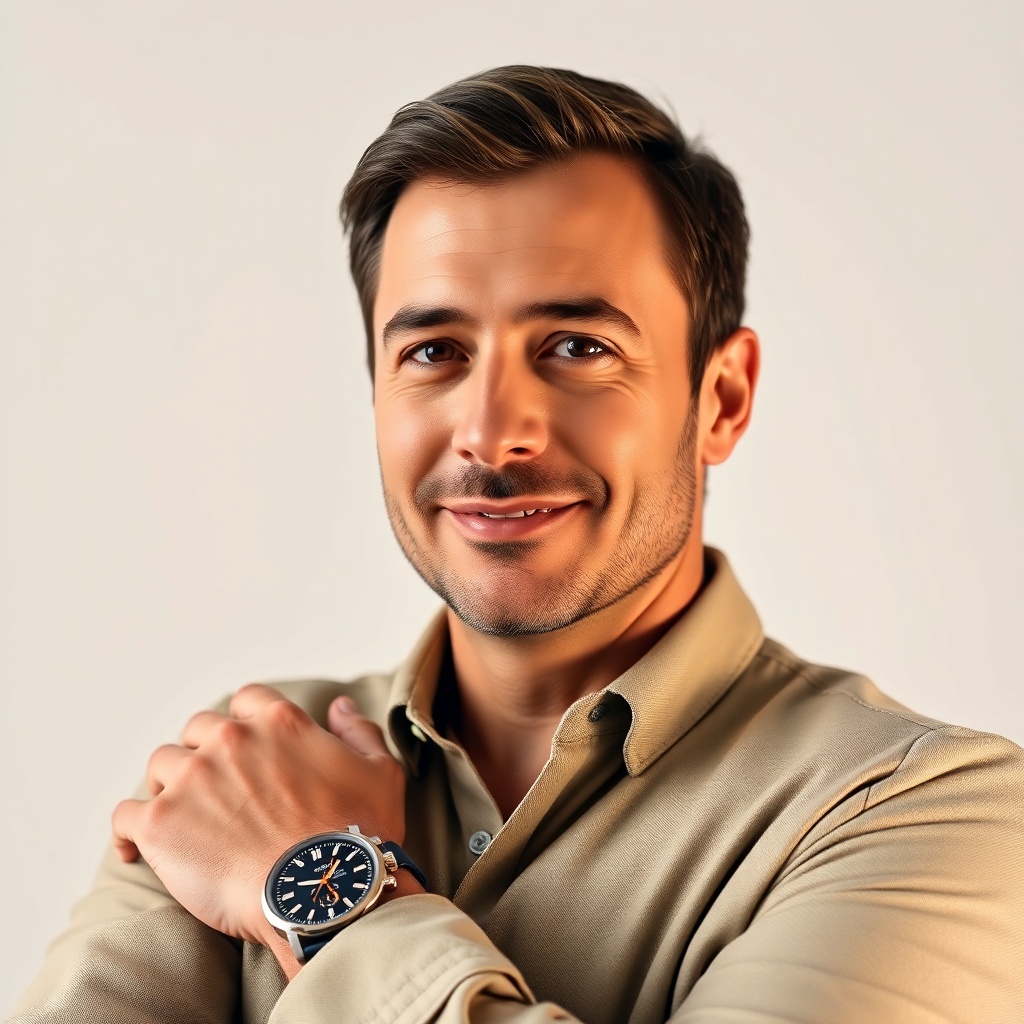
The We Know Watches editorial team brings together over 40 years of combined watch collecting, trading, and repair experience. Our editors have owned and handled watches from every major brand — from entry-level Seiko 5s to Rolex, Omega, Patek Philippe, and independent Swiss watchmakers. We’ve bought and sold at auction, worked with authorized dealers, visited manufacturing facilities in Switzerland and Japan, and serviced hundreds of movements ranging from the Seiko 7S26 to the Longines L888. Every guide and review we publish is based on hands-on experience, original research, and consultation with professional watchmakers. We do not accept payment for reviews, and we clearly disclose when we use affiliate links.