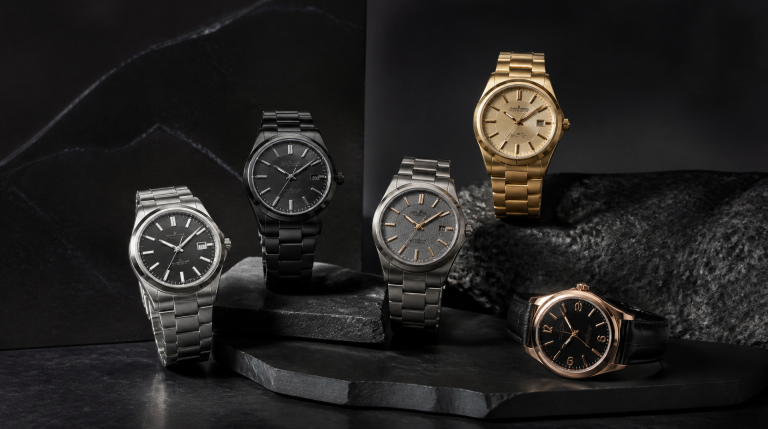
In the world of horology, Longines has established itself as a prestigious brand known for its innovative timepieces. Among its impressive offerings, the Longines chronograph complication stands out, showcasing a blend of precision and elegance. Watch enthusiasts often seek to understand the intricacies of these timepieces, which boast various features and functions. By exploring the history, key components, and innovative technologies behind Longines chronographs, one can truly appreciate their craftsmanship. This article delves into the essential elements that define Longines chronograph complication features, providing insights for collectors and aficionados alike.
Key Takeaways
Longines has a rich history of chronograph innovation, beginning with the first patent in 1867 and evolving through significant technological advancements.
Modern chronograph designs emphasize enhanced accuracy, user-friendly interfaces, and the integration of smart technology, catering to a wide range of consumer needs.
Iconic models like the Master Collection, HydroConquest, and Avigation BigEye showcase the blend of tradition, elegance, and sporty functionality in Longines chronographs.
Understanding key components and functions of chronographs, as well as their specific applications, is essential for selecting the right watch for various activities and ensuring its longevity.
The History of Longines Chronographs
Longines’ journey with chronographs began in the 19th century, showcasing its commitment to precision and innovation. Over the years, the brand’s milestones in horology have positioned it as a leader in chronograph design. Today, Longines continues to evolve, with iconic models that reflect its rich heritage and technological advancements.
Early Chronograph Development
The early development of chronographs marked a significant turning point in watchmaking, as it combined both functionality and artistry. It provided users with the ability to measure time intervals with unprecedented accuracy. These innovations led to a surge in interest among collectors and enthusiasts alike. As a result, watchmakers began to experiment with various designs and mechanisms. Ultimately, this evolution paved the way for the sophisticated chronographs we see today.
Milestones in Longines History
Milestones in the brand’s history have significantly shaped its reputation and influence in the watchmaking industry. In 1867, Longines patented its first chronograph, setting a new standard for precision. The introduction of the iconic 13.33Z movement in 1913 further established Longines as a pioneer in chronograph technology. By the 1960s, the brand had produced some of the most sought-after chronograph models, solidifying its status among collectors. Today, Longines continues to celebrate its heritage with innovative designs that pay homage to its storied past.
Innovations in Chronograph Design
Innovations in chronograph design have led to features that enhance functionality and user experience, making watches more versatile. These advancements include improved accuracy, user-friendly interfaces, and additional complications that cater to diverse needs. Brands have also integrated smart technology, allowing for connectivity and customization. Furthermore, aesthetic enhancements have made modern chronographs not just tools, but also fashion statements. This evolution sets the stage for exploring iconic Longines chronograph models that embody these innovative features.
Iconic Longines Chronograph Models
Iconic Longines chronograph models have captured the hearts of watch enthusiasts with their elegant designs and precise functionality. From the timeless Master Collection to the sporty HydroConquest, each model showcases the brand’s dedication to craftsmanship. Longines’ heritage is evident in the classic Symphonette, which combines vintage aesthetics with modern features. The striking design of the Avigation BigEye exemplifies the brand’s innovative spirit and attention to detail. Understanding these models leads to a deeper appreciation of the key components of chronograph complications.
Key Components of Chronograph Complications
Chronograph complications aren’t just about aesthetics; they incorporate intricate mechanics that enhance functionality. Each component, from the movement mechanism to the pushers, plays a vital role in the watch’s performance. Understanding these key elements is essential for appreciating the sophistication of Longines chronographs.
Movement Mechanism Details
Understanding the movement mechanism’s intricacies is crucial for anyone who wants to appreciate the precision and craftsmanship behind Longines timepieces. It’s not just the gears and springs that make the mechanism work; it’s also the careful alignment and calibration that ensure accuracy. Each movement is a testament to Longines’ dedication to horological excellence, reflecting decades of watchmaking expertise. The seamless interaction between components allows for the chronograph function to operate flawlessly, making it a favorite among enthusiasts. Following this exploration of the movement, it’s important to delve into the details of the dial and sub-dials that enhance the overall functionality and aesthetic appeal of these timepieces.
Dial and Sub-dials
The dial and sub-dials of Longines watches reflect both elegance and precision, showcasing their commitment to craftsmanship. Each sub-dial serves a specific function, often measuring elapsed time in hours, minutes, or seconds. The placement and design of these elements enhance readability while maintaining a sophisticated aesthetic. Longines’ attention to detail ensures that every dial is not only functional but also visually appealing. Collectively, these features exemplify the brand’s dedication to both style and performance.
Pushers and Crown
Pushers and the crown are crucial for operating a chronograph, as they enable users to start, stop, and reset the timing functions with precision. These components are designed for intuitive use, ensuring that timing can be managed effortlessly during any activity. The crown typically allows for winding the watch and setting the time, while the pushers handle the chronograph’s various operations. Each pusher’s placement is strategic, providing easy access without disrupting the wearer’s experience. With an understanding of these components, one can appreciate how they contribute to the overall timing functions of the chronograph.
Timing Functions Explained
Timing functions in watches provide users with precise measurement capabilities that enhance the overall experience. They allow for the tracking of elapsed time, making them invaluable for various activities. Users can engage with these functions through intuitive pushers, which activate the timing mechanism. This level of precision often appeals to sports enthusiasts and professionals alike. With a firm grasp on timing functions, one can now delve into the types of chronograph functions available.
Types of Chronograph Functions
When it comes to chronographs, there’re various types that cater to different needs and preferences. Each type comes with its own key features that enhance functionality and usability. Understanding these differences will provide a clearer insight into the world of chronograph complications.
Different Chronograph Types
Different chronograph types offer unique functionalities, making them suitable for various activities and preferences. Some models focus on precision timing, ideal for sports enthusiasts. Others incorporate additional features like tachymeters, aiding in speed calculations. There’re also chronographs designed for aviation, providing specialized flight-related functions. Ultimately, the choice of chronograph type reflects an individual’s specific needs and lifestyle.
Key Features Explained
Key features of chronographs often include tachymeters, multiple sub-dials, and the ability to measure elapsed time with precision. They’re designed for quick timing and often feature a start, stop, and reset function. Many chronographs also incorporate a flyback function, allowing for seamless timing without the need for resetting. Additionally, the presence of a date display adds to their practicality. These features collectively enhance the overall user experience and functionality of the watch.
Understanding the Tachymeter Scale
Understanding the tachymeter scale can enhance one’s appreciation for chronograph features. It’s often overlooked, yet it plays a crucial role in timekeeping accuracy. With this knowledge, one can delve into the specifics of tachymeter scale basics, usage in timekeeping, and how to read the tachymeter effectively.
Tachymeter Scale Basics
The tachymeter scale serves as a valuable tool for measuring speed over a known distance, and it’s often found on chronograph watches. It typically features a graduated scale on the watch dial, allowing users to calculate speed based on time elapsed. With a simple push of the start button, one’s able to track the time it takes to cover a specific distance, such as a kilometer or a mile. Once the time is recorded, one can read the corresponding speed directly on the scale. This functionality not only enhances usability but also adds to the watch’s overall appeal.
Usage in Timekeeping
Tachymeters are utilized in timekeeping to measure speed based on time intervals, making them valuable tools for precision in various activities. They’re commonly found on chronograph watches, allowing users to calculate speed over a known distance. When a user starts the chronograph, they can record the time it takes to travel a specific distance, such as a kilometer or a mile. By using the tachymeter scale, they’re able to convert that time into speed, expressed in units per hour. Understanding this functionality sets the stage for mastering the technique of reading the tachymeter accurately.
Reading the Tachymeter
Reading the tachymeter requires careful attention to the scale and the elapsed time displayed on the chronograph. It’s essential to start the chronograph at the beginning of an event and stop it when the event concludes. One should then locate the point on the tachymeter scale that aligns with the seconds hand. This reading indicates the speed over a specific distance, typically a kilometer or mile. Understanding this process can significantly enhance one’s use of the chronograph feature.
The Role of Subdials in Chronographs
In chronographs, subdials serve essential functions that enhance the watch’s overall utility. They’re not just decorative features; they provide critical information for timing events. Understanding the various types and designs of subdials can significantly improve one’s experience with these intricate timepieces.
Purpose of Subdials
Subdials play a crucial role in providing specific timing functions, allowing users to track elapsed time with precision. They’re designed to measure minutes, seconds, or even hours, depending on the chronograph’s configuration. Each subdial’s layout and function contribute to the overall readability and efficiency of the timepiece. These features enable enthusiasts to engage in various activities, from racing to diving, with confidence. Next, it’s essential to explore the different types of subdials and their unique characteristics.
Types of Subdials
Different types of subdials can indicate elapsed time, minutes, or even the date, making them vital for various functions in chronographs. Some subdials measure seconds, allowing for precise timing during events. Others display accumulated minutes, providing a comprehensive view of longer durations. Additionally, certain watches feature subdials dedicated to the date, enhancing their functionality. Overall, these varying subdial types contribute to the versatility and appeal of chronograph watches.
Reading Subdial Measurements
Understanding subdial measurements can greatly enhance one’s ability to accurately time events and track elapsed time. They typically display minutes, hours, or even seconds, depending on the chronograph’s design. Familiarity with each subdial’s function allows for more efficient use of the watch’s capabilities. It’s crucial to note how each measurement correlates with the main dial for seamless timing. With this knowledge, one can move forward to explore the design considerations for subdials.
Design Considerations for Subdials
Design considerations for subdials often involve balancing aesthetics with functionality to ensure optimal user experience. Designers typically strive to create a harmonious look while ensuring the subdials remain legible and easy to read. They’ll often consider the size and placement of each subdial, influencing the overall design of the watch. Color contrast is also crucial, as it helps users differentiate between various functions at a glance. Ultimately, these design elements contribute to the watch’s appeal while enhancing its practicality.
Water Resistance and Durability Features
When it comes to water resistance and durability features, Longines watches are designed to withstand various conditions. They incorporate advanced materials and engineering, ensuring longevity and reliability for wearers. Now, let’s explore the key aspects of water resistance ratings, materials enhancing durability, and the care needed for Longines watches.
Water Resistance Ratings Explained
Water resistance ratings indicate how well Longines watches can withstand exposure to moisture without compromising their internal mechanisms. Each rating is determined through rigorous testing, ensuring that the watches can handle specific depths and conditions. For instance, a rating of 30 meters means the watch can withstand splashes but isn’t suitable for swimming. On the other hand, a 300-meter rating suggests it’s ideal for diving activities. Thus, wearers can choose a model that best fits their lifestyle and activity level.
Materials Enhancing Durability
Longines incorporates high-quality materials like ceramics and titanium, ensuring their watches are both lightweight and incredibly durable. These materials provide exceptional resistance to scratches and impacts, maintaining the watch’s appearance over time. Additionally, their meticulous engineering allows for improved performance under various environmental conditions. Many Longines models also feature sapphire crystal, enhancing durability while providing excellent clarity. With such robust construction, wearers can trust their Longines watches to endure daily challenges.
Care for Longines Watches
Taking proper care of a Longines watch ensures its timeless elegance and functionality are preserved for years to come. Regular cleaning with a soft cloth can help maintain its shine and prevent dirt buildup. It’s important to avoid exposure to extreme temperatures and magnetic fields, as they can affect its precision. Routine servicing by a professional is recommended to keep the movement in optimal condition. By following these simple care tips, wearers can enjoy their Longines watch for generations.
Innovative Technologies in Longines Chronographs
Longines has embraced innovative technologies in its chronographs, enhancing both functionality and performance. It’s evident that the brand’s commitment to advanced timing mechanisms and precision engineering techniques sets it apart in the watchmaking industry. These developments not only reflect Longines’ dedication to excellence but also highlight the sophistication of their chronograph complication features.
Advanced Timing Mechanisms
Advanced timing mechanisms in chronographs are crucial for achieving unparalleled accuracy and reliability in timekeeping. They enable precise measurement of elapsed time, allowing users to track events with remarkable precision. Longines’ innovative designs incorporate advanced materials and technologies, enhancing the overall performance of their timepieces. It’s these mechanisms that position Longines as a leader in the horological market, appealing to both enthusiasts and professionals alike. This focus on advanced timing mechanisms seamlessly leads into the exploration of precision engineering techniques that further elevate their chronograph offerings.
Precision Engineering Techniques
Precision engineering techniques have become essential for enhancing the performance and accuracy of modern chronographs. Longines employs state-of-the-art manufacturing processes that ensure each component fits seamlessly together. These techniques allow for improved reliability and durability, making their chronographs a favorite among enthusiasts. Furthermore, the meticulous attention to detail in the engineering phase contributes to the elegance and sophistication of the final product. As collectors explore their options, understanding these precision techniques will be crucial when it comes to collecting Longines chronographs: what to look for.
Collecting Longines Chronographs: What to Look For
When collecting Longines chronographs, enthusiasts should be aware of several key aspects that can enhance their investment. They’ll need to consider factors such as authenticity, condition, and market trends to make informed choices. With these considerations in mind, it’s time to delve into the essential points to guide potential collectors.
Key Features to Consider
Key features to consider include the watch’s movement type, dial design, and the presence of any unique complications that may enhance its value. A chronograph’s precision and reliability often hinge on its movement, so it’s crucial for collectors to assess this aspect thoroughly. The dial design can significantly influence a watch’s aesthetic appeal, making it an important factor in the collecting process. Unique complications, such as a moon phase or a tachymeter scale, can set certain models apart and increase their desirability. Ultimately, these elements contribute to the overall charm and investment potential of Longines chronographs.
Authenticity and Provenance Checks
Authenticity and provenance checks are crucial for collectors to ensure their investments are legitimate and hold value over time. They’ve got to verify the watch’s history and documentation before making a purchase. Experts recommend seeking out reputable dealers who can provide detailed records. Additionally, it’s important to compare serial numbers and model specifics against known databases. By taking these steps, collectors can significantly reduce the risk of acquiring a counterfeit timepiece.
Condition and Maintenance History
The condition and maintenance history of a Longines chronograph significantly influence its value and longevity. Regular servicing and proper care ensure that the watch functions optimally and retains its aesthetic appeal. Collectors often seek timepieces that show minimal wear and have a documented maintenance record. Additionally, original parts and absence of major repairs can enhance desirability. With these factors in mind, it’s crucial to understand the pricing and market trends associated with these watches.
Pricing and Market Trends
Understanding pricing and market trends is crucial for collectors aiming to make wise investments in Longines chronographs. They’ll find that vintage models often command higher prices due to their rarity and historical significance. Recent auction results can provide valuable insights into current market demand and pricing fluctuations. It’s essential for collectors to stay informed about economic factors that may influence the watch market. By analyzing these trends, they can better navigate their investment choices.
Frequently Asked Questions
How do i properly maintain my longines chronograph watch?
To properly maintain a Longines chronograph watch, one should ensure it’s regularly serviced by a professional. It’s important to keep it clean and free from dirt or moisture, which can damage the movement. Additionally, they should avoid exposing the watch to extreme temperatures or magnetic fields. By following these simple steps, they’ll help extend the life of their timepiece.
What are the common issues faced by longines chronograph owners?
Many Longines chronograph owners encounter issues like inaccurate timekeeping or malfunctioning chronograph functions. They often report problems with the pushers becoming unresponsive over time. Additionally, some owners have experienced difficulties with the watch’s water resistance, especially if regular maintenance hasn’t been performed. Lastly, battery life can be a concern, as some users find that their watches require more frequent battery replacements than anticipated.
How does the resale value of longines chronographs compare to other luxury brands?
When it comes to the resale value of Longines chronographs, they tend to hold their value reasonably well compared to other luxury brands. While they might not reach the same resale heights as some of the more prestigious names like Rolex or Patek Philippe, they still offer a solid return for owners. Many collectors appreciate their craftsmanship and heritage, which can contribute to their desirability in the second-hand market. Overall, Longines chronographs provide a good balance of quality and value retention in the luxury watch segment.
Conclusion
In summary, Longines has successfully combined its rich heritage with modern innovation in chronograph design. The brand’s commitment to precision and functionality continues to captivate both enthusiasts and collectors alike. By understanding the intricate features and components of these timepieces, one can truly appreciate the craftsmanship involved. Additionally, knowledge of maintenance and authenticity plays a vital role in preserving the value of these exquisite watches. Ultimately, Longines remains a leading name in the world of horology, constantly evolving while honoring its storied past.
If you’re intrigued by the intricate features of Longines Chronograph complications, you might also enjoy exploring the fascinating history of the Tag Heuer Tiger Woods Limited Edition watch. This piece not only highlights the craftsmanship of luxury timepieces but also celebrates the legacy of an iconic athlete. Dive deeper into this captivating story by visiting The History Behind the Tag Heuer Tiger Woods Limited Edition Watch.

The We Know Watches editorial team brings together over 40 years of combined watch collecting, trading, and repair experience. Our editors have owned and handled watches from every major brand — from entry-level Seiko 5s to Rolex, Omega, Patek Philippe, and independent Swiss watchmakers. We’ve bought and sold at auction, worked with authorized dealers, visited manufacturing facilities in Switzerland and Japan, and serviced hundreds of movements ranging from the Seiko 7S26 to the Longines L888. Every guide and review we publish is based on hands-on experience, original research, and consultation with professional watchmakers. We do not accept payment for reviews, and we clearly disclose when we use affiliate links.