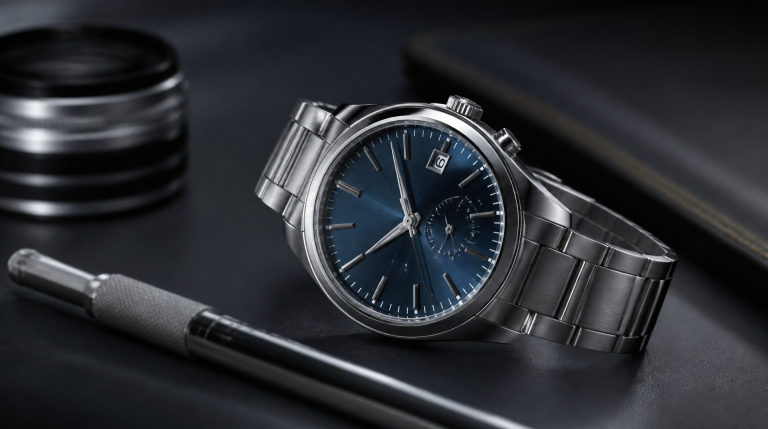
For anyone new to the world of horology, learning how to set a Hamilton pocket watch can seem daunting. It isn’t just about telling time; it’s about understanding the intricate mechanics behind these timeless pieces. With a bit of guidance, beginners can easily master the winding, setting, and maintenance of their watches. This article will walk readers through each step, ensuring they can enjoy their Hamilton watch to its fullest. By the end, they’ll feel confident in their ability to care for this elegant accessory.
Understanding Your Hamilton Pocket Watch Mechanics
Understanding the mechanics of a Hamilton pocket watch is crucial for beginners who want to ensure accurate timekeeping. It’s important to know how the movement functions, as this affects the watch’s reliability. The winding mechanism is typically manual, requiring regular attention for optimal performance. Beginners should also familiarize themselves with the escapement system, which regulates the timekeeping process. Additionally, understanding the role of the mainspring can help in assessing the watch’s energy storage.
Hamilton pocket watches often feature a balance wheel, which contributes to their precision. Knowing how to care for the intricate gears and components is essential for longevity. Beginners ought to learn about the various types of movements, as this knowledge can guide their maintenance practices. Overall, grasping these mechanical principles lays a solid foundation for any novice watch enthusiast.
Winding Your Hamilton Pocket Watch
Winding their Hamilton pocket watch daily ensures it keeps accurate time and prevents the movement from becoming sluggish. It’s important to find the winding crown, usually located on the side of the watch. They should gently pull the crown out to its first position before winding. By turning the crown clockwise, they’ll feel resistance as the mainspring tightens. It’s recommended to wind the watch until they feel a firm tension, indicating it’s fully wound. After winding, the crown can be pushed back to its original position to secure it. They might also check for any signs of wear or difficulty in winding. Regular winding not only maintains accuracy but also extends the watch’s lifespan. With proper care, their Hamilton pocket watch can remain a cherished timepiece for years.
Setting the Time Correctly
Setting the time correctly on a Hamilton pocket watch is essential for ensuring its accuracy. Many beginners might find the process daunting, but it’s straightforward once they grasp the mechanics. With that in mind, let’s explore some key points to help them master this skill.
Understanding Pocket Watch Mechanics
Pocket watch mechanics can seem intricate, but they’re designed to be user-friendly once someone familiarizes themselves with the components. Each watch contains a movement, which is the heart of the timekeeping function. It includes gears, springs, and levers that work together to measure time accurately. Understanding how these parts interact helps beginners appreciate the craftsmanship involved. With a little practice, anyone can feel confident in managing their pocket watch.
Adjusting the Time Setting
Adjusting the time setting on a Hamilton pocket watch requires a gentle pull of the crown to the right position. Once it’s in the correct place, the hands can be turned to set the desired time. Beginners should be cautious not to force the crown as it might damage the mechanism. After aligning the hands, a firm push of the crown will secure the setting. It’s a simple process that becomes second nature with a little practice.
Testing the Accuracy
Testing the accuracy of a Hamilton pocket watch involves checking its timekeeping against a reliable source. It’s crucial to select a clock or device known for its precision. After comparing the two, one should note any discrepancies in time. Regular checks can help identify if the watch needs adjustment or maintenance. Ultimately, consistent testing ensures the watch remains reliable for its owner.
Maintaining Time Precision
Maintaining time precision on a Hamilton watch requires regular care and attention to detail. It’s important for owners to wind the watch consistently to ensure optimal performance. Keeping the watch clean and free from dust helps prevent any potential issues with its mechanics. Regular servicing by a professional can also extend the watch’s lifespan and accuracy. By following these practices, enthusiasts can enjoy the reliability of their timepiece for years to come.
Adjusting for Accuracy
Adjusting for accuracy is essential for maintaining the precision of a Hamilton pocket watch. It involves a couple of key processes that ensure the watch keeps accurate time. With that in mind, let’s explore understanding time regulation and fine-tuning the mechanism.
Understanding Time Regulation
Understanding time regulation helps ensure that a Hamilton watch operates with optimal accuracy throughout its lifespan. It’s crucial for the owner to grasp the basic principles of how timekeeping mechanisms function. By adjusting the balance wheel and escapement, one can enhance the watch’s precision. Regular maintenance and periodic checks can significantly contribute to the watch’s longevity. Ultimately, a well-regulated watch reflects the craftsmanship and attention to detail characteristic of Hamilton timepieces.
Fine-Tuning the Mechanism
Fine-tuning the mechanism ensures that the Hamilton pocket watch operates at its highest level of accuracy and reliability. It’s crucial for the watchmaker to make precise adjustments to the balance wheel and escapement. This process often involves subtle tweaks that can significantly impact timekeeping. The watch’s internal components need to align perfectly to avoid any deviations. Regular fine-tuning helps maintain the watch’s performance over time.
Maintenance Tips for Your Pocket Watch
Taking care of a pocket watch isn’t just about keeping time; it’s about preserving its beauty and functionality. By following some essential maintenance tips, one can ensure their watch remains in excellent condition for years to come. Here are a few key points to consider for proper pocket watch care.
Cleaning Your Pocket Watch
Cleaning a pocket watch is essential for keeping its intricate mechanisms and exterior looking pristine. Regular cleaning prevents dust and grime from affecting the delicate parts inside. Owners should use a soft brush and a microfiber cloth to gently remove debris from the case and dial. It’s also important to avoid using harsh chemicals that could damage the watch’s finish. A well-maintained pocket watch not only looks impressive but can also keep accurate time.
Winding Techniques Explained
Winding techniques play a crucial role in ensuring that a pocket watch operates smoothly and accurately. It’s important for the user to understand the difference between manual and automatic winding methods. Regular winding keeps the mechanism lubricated and prevents it from becoming stiff. Users should be cautious not to overwind, as this can damage the internal components. Proper winding habits contribute to the longevity and reliability of the pocket watch.
Storage Best Practices
Proper storage of a pocket watch can significantly extend its lifespan and maintain its precision. It’s best to keep the watch in a soft-lined case to prevent scratches and damage. Avoid exposing it to extreme temperatures or humidity, as these conditions can harm the delicate mechanisms inside. When not in use, storing it in a safe place can protect it from dust and accidental drops. Lastly, ensuring the watch is wound properly before storage can help keep it running smoothly.
Regular Servicing Schedule
A regular servicing schedule ensures the pocket watch remains in peak condition and functions reliably. It’s recommended to service the watch every three to five years, depending on usage. This routine maintenance can help identify potential issues before they escalate. A professional can clean, lubricate, and adjust the watch, enhancing its longevity. Keeping a consistent schedule not only preserves the watch’s reliability but also its aesthetic appeal.
Conclusion
In summary, a Hamilton pocket watch represents a blend of craftsmanship and precision that requires proper understanding and care. Beginners can easily learn the essential techniques for winding and setting their timepieces, ensuring optimal performance. Regular maintenance and attention to detail can significantly enhance the watch’s longevity and reliability. By familiarizing themselves with the mechanics and troubleshooting common issues, owners can enjoy their watches for years to come. Ultimately, the dedication to maintaining these exquisite timepieces reflects the appreciation for both history and quality in horology.
If you’re looking to deepen your understanding of Hamilton watches, I highly recommend visiting this informative page on the GMT feature of Hamilton watches. It provides valuable insights that can enhance your knowledge and appreciation of these exquisite timepieces. Check it out here: Understanding the GMT Feature of Hamilton Watches.

The We Know Watches editorial team brings together over 40 years of combined watch collecting, trading, and repair experience. Our editors have owned and handled watches from every major brand — from entry-level Seiko 5s to Rolex, Omega, Patek Philippe, and independent Swiss watchmakers. We’ve bought and sold at auction, worked with authorized dealers, visited manufacturing facilities in Switzerland and Japan, and serviced hundreds of movements ranging from the Seiko 7S26 to the Longines L888. Every guide and review we publish is based on hands-on experience, original research, and consultation with professional watchmakers. We do not accept payment for reviews, and we clearly disclose when we use affiliate links.