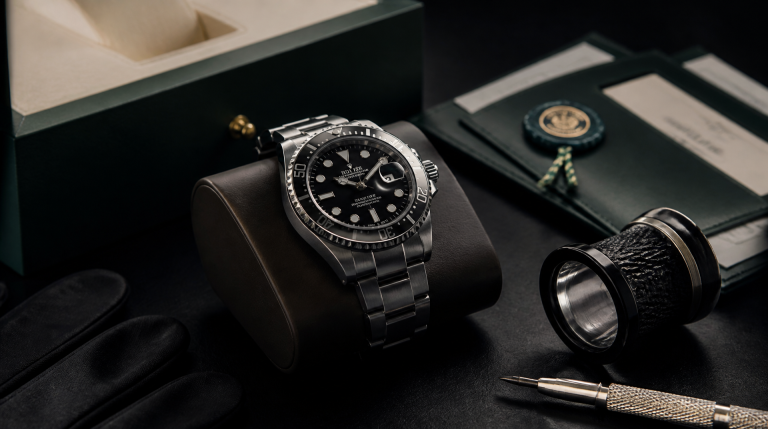
The Breitling Navitimer 7806 is a renowned timepiece, celebrated not only for its precision but also for its intricate design. For watch enthusiasts and professionals alike, understanding how to take off the back of a Breitling Navitimer 7806 watch is essential for maintenance and inspection purposes. This process requires careful attention to detail and the appropriate tools to ensure the watch remains undamaged. In this article, we will guide you through the necessary steps and precautions to safely remove the back of your watch while preserving its integrity. By following our comprehensive instructions, you will be well-equipped to manage this task with confidence and skill.
Key Takeaways
Gather all necessary tools and create a clean, distraction-free workspace before starting the removal process.
Identify the type of case back and inspect gaskets for wear to ensure proper handling and maintenance.
Handle the watch carefully, avoiding direct contact with the movement and ensuring the case back is stored safely during removal.
Test for water resistance after reassembly to maintain the watch’s integrity and document results for future reference.
Tools Required for the Task
Essential tools for safely removing the back of a Breitling Navitimer 7806 watch include a case back opener, a soft cloth to prevent scratches, and a pair of precision tweezers. A case back opener is crucial for applying the correct amount of pressure without damaging the watch’s casing. The soft cloth is essential for protecting the watch from any unintended scrapes during the process. Precision tweezers allow for the careful handling of small components that may be present under the case back. Additionally, a magnifying glass can aid in inspecting the watch’s inner workings, ensuring no parts are overlooked. A clean workspace is also vital to prevent the loss of any tiny screws or components. A watchmaker’s screwdriver set can provide the necessary tools for removing screws that may secure the case back. A soft brush can help dislodge any particles or dust that may have accumulated inside the case. Finally, a watch cleaning solution can be beneficial for maintaining the watch’s pristine condition during reassembly.
Preparing Your Workspace
A clean and organized workspace is crucial for ensuring a safe and efficient process when removing the back of a Breitling Navitimer 7806 watch. Begin by selecting a flat, well-lit surface to prevent any parts from rolling away or becoming lost. Clear the area of any unnecessary tools or materials that could create distractions or hazards. Utilize a soft cloth or mat to provide a protective layer for the watch and to absorb any potential impact during the procedure.
Ensure that all required tools are within easy reach to minimize movement and disruption during the task. Consider using a magnifying glass or jeweler’s loupe to enhance visibility of small components and screws. Maintain a designated area for small parts, using containers or trays to prevent misplacement. Regularly check the workspace for any debris or contaminants that could interfere with the watch’s operation. Finally, establish a systematic approach to the task, documenting each step to ensure a methodical and safe process.
Identifying the Back of the Watch
Identifying the back of the watch is a crucial step in understanding its construction and maintenance. Different types of watch backs can influence the approach taken for servicing, and recognizing common features can simplify the identification process. Equipped with the right tools, one can efficiently assess and remove the back of a Breitling Navitimer 7806 watch.
Types of Watch Backs
Various types of watch backs, including screw-down, snap-on, and exhibition styles, play a significant role in determining the watch’s water resistance and ease of access for maintenance. Screw-down backs are typically used in dive watches, enhancing water resistance through a tightly sealed design. Snap-on backs offer quick access for servicing but may compromise water resistance if not properly secured. Exhibition backs, often made of transparent materials, allow wearers to view the internal mechanisms while still providing a level of protection. Each type has its advantages and disadvantages, influencing the overall functionality and aesthetic of the timepiece.
Common Features to Spot
Common features to spot on the back of a watch include engravings, specific markings, and the type of material used, all of which can provide valuable insights into the watch’s brand and model. The presence of a serial number is often indicative of the watch’s authenticity and production date. Additionally, logos or manufacturer stamps can help identify the watch’s origin and craftsmanship. The type of case back—whether it is screw-down, snap-on, or a display case—can also influence maintenance and water resistance. Understanding these features is essential for both collectors and individuals seeking to service their timepieces correctly.
Tools for Identification
The appropriate tools for identification play a significant role in ensuring accurate assessment and maintenance of watch components. A magnifying loupe is essential for examining intricate details and identifying specific features on the watch back. Additionally, a case opening tool, such as a case knife or a case wrench, is crucial for safely removing the back without damaging the watch. Tweezers and a soft cloth should also be employed to handle small components delicately and avoid scratches. Finally, a quality flashlight can assist in illuminating the watch back, providing better visibility for thorough examination.
Understanding the Watch’s Sealing Mechanism
Understanding the watch’s sealing mechanism is crucial for ensuring water resistance and preventing damage during the removal process. The Breitling Navitimer 7806 is equipped with a sophisticated sealing system designed to protect its internal components. This system typically includes gaskets made from rubber or silicone, which create a barrier against moisture and dust. Over time, these gaskets can degrade, compromising the watch’s integrity. It is essential to assess the condition of the seals before attempting to open the watch. Any signs of wear or damage should be addressed prior to removal to maintain the watch’s water resistance. During the disassembly, care must be taken to avoid disturbing the gaskets or introducing contaminants. Proper tools and techniques are necessary to ensure the seals are not damaged. Replacing the seals after reassembly is recommended to restore the watch’s protective capabilities.
Step-by-Step Guide to Removing the Back
A meticulous step-by-step guide to removing the back of a Breitling Navitimer 7806 watch ensures precision and safety throughout the process. Begin by gathering the necessary tools, including a case back opener, a soft cloth, and a pair of fine tweezers. Next, place the watch face down on the soft cloth to prevent any scratching on the surface. With the case back opener, identify the notches on the back of the watch and gently insert the tool into one of these notches. Carefully apply pressure to turn the tool counterclockwise, ensuring that you do not slip and damage the case. Once the back begins to loosen, continue turning until it can be removed by hand. Take care to note the orientation of any gaskets or seals that may be present. After the back is removed, avoid touching the movement with bare fingers to prevent contamination. Finally, store the watch back in a safe place until you are ready to reassemble it.
Inspecting the Movement and Components
Inspecting the movement and components of a Breitling Navitimer 7806 watch requires careful attention to detail to ensure any potential issues are identified and addressed. Start by examining the movement for any signs of wear or damage, paying particular attention to the gears and escapement. Look for any irregularities in the movement’s operation, such as stuttering or stopping, which may indicate the need for lubrication or repair. Inspect the balance wheel for proper oscillation and alignment, as this is crucial for accurate timekeeping.
Next, check the mainspring for signs of fatigue or breakage, as this can significantly affect the watch’s performance. The rotor should be inspected for smooth rotation, ensuring that it is not obstructed by debris or misalignment. Evaluate the condition of the jewels within the movement, as worn or damaged jewels can lead to increased friction and wear. Additionally, inspect the gaskets and seals for integrity, as these components protect the movement from dust and moisture. Finally, document any findings to ensure that necessary repairs or maintenance can be performed effectively.
Reattaching the Back Securely
Reattaching the back of the Breitling Navitimer 7806 requires precise alignment of the case and careful application of pressure to ensure a secure fit without damaging the watch. First, verify that the gasket is in place and free from debris, as this will maintain the watch’s water resistance. Position the case back over the movement, ensuring it aligns perfectly with the case’s contours. Gently press down on the case back, applying even pressure around its circumference. Utilize a case back press tool if available, as this can provide the necessary force without risking damage.
Ensure that the case back is flush with the case, indicating a proper seal. Inspect the watch closely for any signs of misalignment or gaps, which could compromise its integrity. Once satisfied with the fit, securely fasten any screws or clasps that hold the case back in place. Finally, conduct a water resistance test to confirm the integrity of the seal after reattaching the back.
Testing Water Resistance After Removal
Testing water resistance after the back has been removed is crucial to ensure the watch maintains its integrity and functionality in aquatic environments. This process typically involves using a specialized pressure testing device that simulates underwater conditions. The testing should be conducted in a controlled environment to avoid any external factors that could compromise results. It is important to ensure that all seals and gaskets are properly inspected before conducting the test. Any signs of wear or damage to these components should be addressed prior to testing. Once the watch is securely reassembled, it must be subjected to the appropriate pressure levels for the specific model. Observing the watch under pressure will help determine if any leaks are present. After testing, it is essential to allow the watch to acclimate to normal atmospheric conditions before further inspection. Documenting the results of the water resistance test is advisable for future reference and maintenance.
Maintenance Tips for Your Breitling Navitimer 7806
Proper maintenance of your Breitling Navitimer 7806 is essential to ensure its longevity and performance. By implementing regular cleaning techniques, adhering to battery replacement guidelines, and seeking professional servicing recommendations, you can keep your timepiece in optimal condition. These practices will protect your investment and enhance the overall functionality of your watch.
Regular Cleaning Techniques
Regular cleaning techniques are vital for maintaining the aesthetic appeal and functionality of the Breitling Navitimer 7806, ensuring that dirt and grime do not compromise its intricate mechanisms. It is recommended to use a soft, lint-free cloth to gently wipe the watch case and bracelet, preventing scratches. For stubborn stains, a mild soap solution can be applied with a soft brush, ensuring that no moisture enters the watch through the crown or pushers. Regular inspections of the watch for any signs of wear or damage are crucial, as this allows for timely maintenance. Ultimately, establishing a consistent cleaning routine will significantly contribute to the longevity of your timepiece.
Battery Replacement Guidelines
Battery replacement guidelines for the Breitling Navitimer 7806 are crucial to maintain its accurate timekeeping and overall functionality. It is recommended to use only high-quality, compatible batteries to prevent damage to the movement. Before attempting to replace the battery, ensure that the watch is clean and free from moisture. Use appropriate tools to carefully remove the case back without scratching or damaging the watch. Finally, consider having a professional watchmaker perform the battery replacement to ensure proper handling and maintenance.
Professional Servicing Recommendations
Engaging with a certified watchmaker for professional servicing every three to five years is crucial for maintaining the precision and integrity of your Breitling Navitimer 7806. Regular servicing helps identify potential issues before they escalate, ensuring the longevity of your watch. A trained professional can perform necessary adjustments, lubrication, and cleaning that are essential for optimal performance. Additionally, they possess the expertise to handle intricate components without compromising the watch’s design or functionality. Following these recommendations will ultimately safeguard your investment and enhance the reliability of your timepiece.
Frequently Asked Questions
What should i do if i encounter resistance while trying to remove the back of the watch?
If you encounter resistance while attempting to remove the back of a watch, it is advisable to cease further attempts and reassess the situation to avoid damaging the timepiece. Using the appropriate tools and techniques, or consulting a professional watchmaker, can ensure that the watch remains intact and functions correctly.
Can i use household tools instead of specialized watchmaking tools for this task?
Using household tools for tasks requiring precision, such as opening a watch case, is generally inadvisable as they may cause damage to the watch or compromise its integrity. Specialized watchmaking tools are designed to provide the necessary accuracy and safety, ensuring that the delicate components are not harmed during the process.
How often should i consider removing the back of my watch for maintenance?
Regular maintenance of a watch is essential to ensure its longevity and optimal performance; it is advisable to consider removing the back for inspection and servicing approximately every three to five years. However, the frequency may vary depending on usage, environmental exposure, and the specific recommendations from the manufacturer.
If you’re looking to enhance your watch collection, I highly recommend checking out this informative guide on choosing the perfect men’s Guess watch for every occasion. It offers valuable insights and tips that can help you make the best decision for your style and needs. Don’t miss out—visit this link for more!

The We Know Watches editorial team brings together over 40 years of combined watch collecting, trading, and repair experience. Our editors have owned and handled watches from every major brand — from entry-level Seiko 5s to Rolex, Omega, Patek Philippe, and independent Swiss watchmakers. We’ve bought and sold at auction, worked with authorized dealers, visited manufacturing facilities in Switzerland and Japan, and serviced hundreds of movements ranging from the Seiko 7S26 to the Longines L888. Every guide and review we publish is based on hands-on experience, original research, and consultation with professional watchmakers. We do not accept payment for reviews, and we clearly disclose when we use affiliate links.