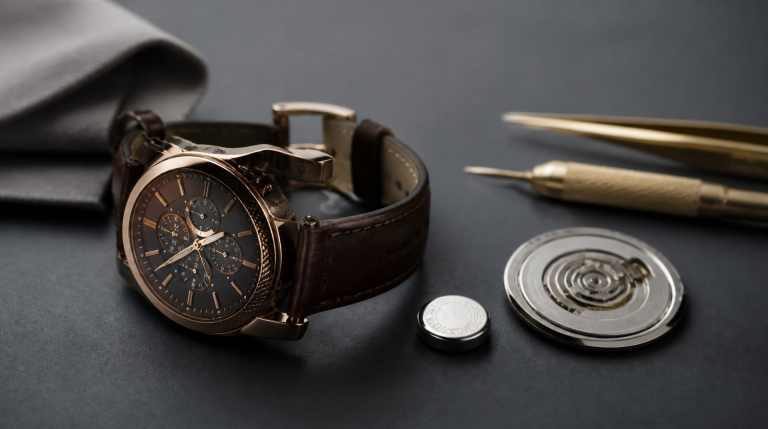
Removing the face of a Hamilton pocket watch is a delicate process that requires both precision and the right tools. This article aims to guide watch enthusiasts and collectors through the essential steps of how to take the face off a Hamilton pocket watch, ensuring minimal risk to the timepiece. Proper preparation and understanding of the watch’s components are crucial for a successful disassembly. By following the outlined procedures, individuals can confidently navigate the intricacies involved in this task. As we delve into the specifics, we will emphasize the importance of handling each component with care to preserve the integrity of the watch.
Key Takeaways
Use precision tools and a clean, organized workspace to safely detach the dial from the movement.
Inspect all components for wear or damage before and after removal to ensure proper functionality.
Maintain a steady hand and minimize tension on the movement to prevent damage during the removal process.
Conduct regular maintenance checks and store the watch properly to preserve its condition.
Choosing the Right Tools
Selecting the appropriate tools is critical for successfully removing the face of a Hamilton pocket watch. A well-considered choice not only enhances efficiency but also ensures the integrity of the watch during the process. The following points outline the essential tool requirements, recommended brands, and necessary safety precautions.
Essential Tool Requirements
Essential tool requirements for servicing a Hamilton pocket watch include precision screwdrivers, a case knife, and specialized tweezers to ensure safe and effective handling of delicate components. Additionally, a soft cloth or mat is recommended to protect the watch from scratches during the procedure. A loupe or magnifying glass can aid in detailed inspection of the watch’s intricate parts. It is beneficial to have a watchmaker’s bench or a stable work surface to facilitate the task. Finally, an anti-static wrist strap is advisable to prevent any potential damage from static electricity.
Recommended Tool Brands
Several reputable brands offer high-quality tools specifically designed for the intricate task of servicing Hamilton pocket watches. Brands such as Bergeon and Horotec provide precision tools that ensure safe and effective removal of watch faces. Another noteworthy brand is Witschi, known for its reliable watchmakers’ tools that cater to vintage timepieces. Additionally, the use of tools from Seiko Instruments can enhance the experience, given their commitment to quality and craftsmanship. Selecting tools from these esteemed brands can significantly contribute to a successful servicing process.
Safety Precautions Needed
Safety precautions play a vital role in protecting both the watch and the technician during the delicate process of disassembling a Hamilton pocket watch. Technicians should always use anti-static wrist straps to prevent damage to sensitive components. Adequate lighting and a clean workspace are essential to avoid losing small parts or misplacing tools. Protective eyewear is recommended to safeguard against potential injuries from flying debris or sharp edges. Finally, handling tools with care and ensuring they are in good condition will minimize the risk of accidents.
Preparing Your Workspace
Before embarking on the intricate task of removing the face of a Hamilton pocket watch, it is essential to prepare your workspace meticulously. A well-organized and clutter-free environment will facilitate a smoother process and minimize the risk of losing small components. Attention to detail in the preparation phase will set the foundation for a successful and efficient workflow.
Gather Necessary Tools
The successful removal of the face from a Hamilton pocket watch hinges on having the appropriate tools readily available. Essential tools include a case opener, a small screwdriver set, and a pair of tweezers. Additionally, a soft cloth can be beneficial to protect the watch’s surface during the process. It is also advisable to have a magnifying glass on hand for inspecting small components. Ensuring that all tools are in good condition will contribute to a more efficient and careful removal process.
Clear Work Surface
A clear work surface is crucial for facilitating the precise handling of delicate watch components during the disassembly process. This allows for easy access to tools and materials, reducing the likelihood of accidental damage. An organized setup also enhances focus, enabling the technician to concentrate on the intricacies of the movement. Adequate lighting should be ensured to illuminate the workspace, making it easier to spot small parts and potential issues. Finally, a designated area for storing removed components will help maintain order and prevent loss throughout the procedure.
Ensure Proper Lighting
Proper lighting is crucial for accurately assessing the intricate details of the watch components during the disassembly process. Insufficient lighting can lead to misjudgments when handling delicate parts and can increase the likelihood of damage. Natural light is often preferred, but adjustable task lighting can also provide the necessary illumination for close-up work. It is advisable to avoid harsh, direct light that may create glare, obscuring vital features of the watch. Establishing a well-lit environment not only enhances visibility but also contributes to a more efficient and effective working experience.
Organize Small Parts
Organization of small parts is crucial to ensure that each component remains easily accessible and accounted for throughout the watch disassembly process. Utilizing small containers or trays can significantly assist in categorizing screws, washers, and other delicate elements. Labeling these containers enhances efficiency, allowing for quick retrieval of specific parts when needed. A systematic approach to organization reduces the chance of misplacing components, which can lead to complications during reassembly. Ultimately, maintaining an orderly workspace not only streamlines the disassembly process but also promotes a more enjoyable and less stressful experience.
Removing the Case Back
Removing the case back of a Hamilton pocket watch is a crucial step in accessing its intricate mechanics. This process requires specific tools and a methodical approach to ensure that no damage occurs to the watch’s delicate components. Below, we will outline the essential tools needed for removal and provide a step-by-step guide to facilitate this task.
Tools Needed for Removal
Essential tools for the removal of a Hamilton pocket watch case back include a case knife, a soft cloth, and a set of screwdrivers specifically designed for watchmaking. The case knife is essential for prying open the case back without causing damage to the watch’s exterior. A soft cloth provides protection against scratches while handling the watch. The set of screwdrivers should include various sizes to accommodate the screws that may be securing the case back. Additionally, a pair of tweezers can be useful for manipulating small components during the removal process.
Step-by-Step Removal Process
The step-by-step removal process requires careful attention to detail to ensure the integrity of the watch is maintained throughout the procedure. Begin by using a case knife or a similar tool to gently pry open the case back, taking care to avoid scratching the watch. Once the case back is removed, inspect the gasket for any signs of wear or damage before proceeding. Carefully detach the movement from the case by removing the screws or clips that hold it in place. Finally, place the movement on a soft, clean surface to prevent any accidental damage during further handling.
Detaching the Face from the Movement
Detaching the face from the movement requires careful manipulation to prevent damage to the delicate components. The process typically involves loosening the screws or pins that secure the dial to the movement. Precision tools, such as a case knife or a dial puller, are essential for ensuring a controlled separation. It is crucial to work in a clean and organized environment to avoid misplacing small parts. Finally, any tension on the movement should be minimized to preserve the integrity of the watch mechanism during the detachment.
Handling the Face with Care
Handling the face of a Hamilton pocket watch requires meticulous attention to prevent scratches and other damage. It is essential to work in a clean, dust-free environment to minimize the risk of contamination. Utilizing soft, lint-free cloths can help in maintaining the integrity of the surface during handling. Additionally, one should avoid using excessive force when making contact with the face to preserve its delicate features. Proper storage in a protective case is also crucial to ensure the longevity of the watch’s appearance.
Reassembling Your Pocket Watch
Reassembling your pocket watch requires careful attention to detail to ensure that all components fit properly and function as intended. Begin by meticulously organizing each part, verifying that no pieces are missing or damaged. It is crucial to align the movement with the watch case, ensuring that the dial and hands are positioned correctly. Use appropriate tools to avoid damaging delicate components during the assembly process. Finally, test the watch for accuracy and functionality before completing the reassembly.
Conclusion
The process of removing the face of a Hamilton pocket watch requires meticulous attention and the right tools, ensuring that all components are handled with care. Proper workspace preparation, including organization and lighting, plays a significant role in maintaining focus and minimizing risks during disassembly. Each step, from removing the case back to detaching the dial, necessitates precision to preserve the integrity of the watch mechanism. Post-removal, thorough inspection and careful reassembly are essential for ensuring the watch’s functionality and accuracy. Regular maintenance and protective storage will contribute to the longevity and performance of the timepiece.
If you’re interested in watches, you might want to explore the detailed comparison of the Longines Hydroconquest and Oris Aquis. This resource provides valuable insights into their features, helping you make an informed decision. Check it out here: Comparing Features of Longines Hydroconquest and Oris Aquis.

The We Know Watches editorial team brings together over 40 years of combined watch collecting, trading, and repair experience. Our editors have owned and handled watches from every major brand — from entry-level Seiko 5s to Rolex, Omega, Patek Philippe, and independent Swiss watchmakers. We’ve bought and sold at auction, worked with authorized dealers, visited manufacturing facilities in Switzerland and Japan, and serviced hundreds of movements ranging from the Seiko 7S26 to the Longines L888. Every guide and review we publish is based on hands-on experience, original research, and consultation with professional watchmakers. We do not accept payment for reviews, and we clearly disclose when we use affiliate links.