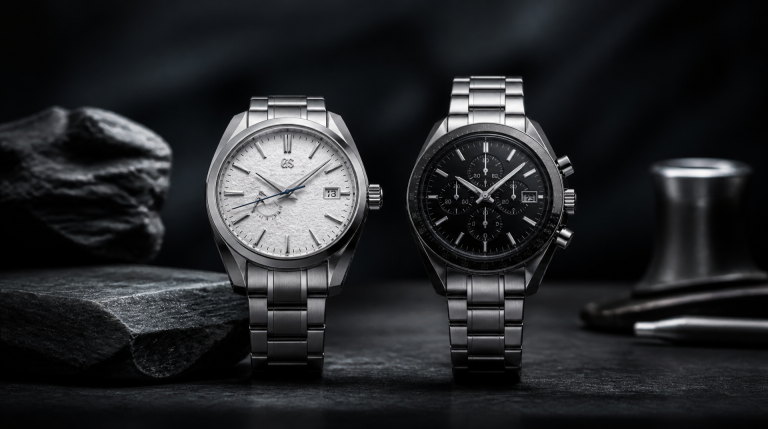
As a watch enthusiast, I’ve always been fascinated by the craftsmanship behind luxury timepieces. When it comes to comparing Tudor or Breitling, both brands showcase a rich heritage and unique design philosophies that make them stand out in the horological world. I’ve spent countless hours admiring their innovative use of materials and the intricate mechanics that power their movements. Each brand has its own distinct aesthetic, which speaks to different tastes and preferences among collectors. In this article, I’ll delve into the details of these two iconic brands, exploring what truly sets them apart.
Key Takeaways
Tudor blends tradition and innovation, emphasizing heritage and craftsmanship, while Breitling focuses on technical precision and aviation-inspired design.
Both brands prioritize accuracy and reliability, showcasing unique strengths in watchmaking with Tudor offering robust movements and Breitling emphasizing high precision.
Tudor generally provides more accessible luxury pricing, while Breitling’s higher price points reflect its focus on technical innovation and performance.
Strong collector communities and brand loyalty are fostered through positive consumer experiences, advanced authentication measures, and active engagement on social media and forums.
Craftsmanship Philosophy
In exploring craftsmanship philosophy, I find myself drawn to the nuances that define each brand’s identity. It’s fascinating how Tudor’s heritage influences its designs, while Breitling focuses on technical precision. The interplay of material quality, aesthetics, and functionality further enriches this comparison.
Tudor’s Heritage Influence
Tudor’s heritage influence really resonates with me, showcasing a blend of tradition and innovation that sets the brand apart. I appreciate how their designs reflect a rich history while incorporating modern elements. The craftsmanship feels both timeless and forward-thinking, which I find appealing. Each watch tells a story, rooted in the brand’s legacy yet relevant to today’s discerning collectors. It’s this unique combination that makes Tudor stand out in a crowded market.
Breitling’s Technical Precision
Breitling’s technical precision really impresses me, showcasing an incredible commitment to accuracy and performance in each timepiece. I appreciate how the brand integrates advanced technology with traditional watchmaking skills. Each model seems to reflect a dedication to detail that elevates its functionality. The chronometers and aviation-inspired designs resonate with my love for adventure and precision. This sets the stage for an exploration of the material quality considerations that underpin Breitling’s reputation.
Material Quality Considerations
I’m always impressed by how much material quality plays a crucial role in the overall durability and appeal of a watch. I notice that Tudor often utilizes robust materials that reflect their heritage, giving their pieces a timeless feel. On the other hand, Breitling’s emphasis on high-performance materials enhances their functionality and precision. I can appreciate how different metal types and finishes influence my perception of each brand. Ultimately, it’s the quality of these materials that often sways my preference between the two.
Design Aesthetics and Functionality
Design aesthetics and functionality often intersect in ways that captivate my interest, showcasing how each brand balances form and purpose. Tudor’s designs reflect a classic elegance that doesn’t compromise on practicality, while Breitling’s bold aesthetics serve a specific functional role. I appreciate how both brands employ distinctive visual cues to communicate their unique identities. The meticulous attention to detail in each piece reveals their commitment to craftsmanship. This leads me to ponder the role of materials and innovation in enhancing their designs.
Materials and Innovation
When I think about materials and innovation in watchmaking, it’s fascinating how different brands approach craftsmanship. Tudor and Breitling each have their unique ways of utilizing materials to enhance their designs. Let’s dive into the key points that highlight their distinct methods.
Material Quality Assessment
Material quality assessment plays a crucial role in ensuring that the watches I choose not only look great but also stand the test of time. I pay close attention to the type of metals and materials used in each brand’s offerings. It’s interesting how Tudor often emphasizes their use of high-grade stainless steel and innovative ceramics. On the other hand, Breitling tends to showcase their expertise in aerospace-grade materials and durable coatings. Ultimately, the right material can make all the difference in both aesthetics and longevity.
Innovative Techniques Overview
Innovative techniques in watchmaking really captivate me, especially the way they enhance precision and functionality. I’m always amazed by how brands like Tudor and Breitling incorporate cutting-edge technology into their designs. From advanced movement engineering to unique case materials, it’s clear that they prioritize both performance and aesthetics. I find it particularly interesting how these innovations can also contribute to durability and user experience. This focus on technique naturally leads to a discussion about the growing importance of sustainability in watchmaking.
Sustainability in Watchmaking
Sustainability in watchmaking has become a priority for many brands, and I’m excited to see how they’re integrating eco-friendly practices into their production processes. I’ve noticed Tudor focusing on responsible sourcing for their materials, which really resonates with me. On the other hand, Breitling’s commitment to carbon-neutral production is impressive and sets a great standard. Both brands seem to be making strides in reducing their environmental impact, and I appreciate that. It’s refreshing to see luxury watchmakers prioritizing sustainability alongside craftsmanship.
Design Aesthetics
When I think about design aesthetics, the contrasting philosophies of Tudor and Breitling really stand out. Each brand’s approach to craftsmanship reflects their unique identities, influencing the materials and finishes they choose. It’s fascinating to see how these differences manifest in their designs.
Design Philosophy Differences
I’ve noticed that the design philosophy differences between Tudor and Breitling really shape their overall appeal to different audiences. Tudor tends to embrace a more understated elegance, focusing on classic lines and refined details. On the other hand, Breitling often opts for bold, technical designs that emphasize functionality and adventure. I can’t help but appreciate how Tudor’s subtlety appeals to those who value tradition, while Breitling attracts those seeking a sportier aesthetic. Both brands have their distinct charm, and it’s interesting to see how they cater to their respective fans.
Materials and Finishes Used
The choice of materials and finishes in Tudor and Breitling watches really highlights their distinct styles. I notice Tudor often opts for stainless steel and matte finishes that give a more understated elegance. On the other hand, Breitling leans towards bold colors and polished surfaces, making their watches stand out. I’ve always appreciated Tudor’s use of vintage-inspired elements, which adds a unique charm. Meanwhile, Breitling’s use of high-tech materials showcases their commitment to performance and durability.
Movement and Mechanics
When it comes to movement and mechanics, I find myself captivated by the intricate craftsmanship of watches. The innovations in Tudor’s movements stand out, while Breitling’s mechanical excellence is hard to overlook. I’m eager to explore the nuances of accuracy and reliability between these two iconic brands.
Tudor Movement Innovations
Tudor’s movement innovations really impress me with their blend of traditional craftsmanship and modern technology. I love how they’ve integrated their in-house movements, showcasing both reliability and precision. The attention to detail in each component is something I truly admire. Their commitment to improving power reserves is a game-changer for me. Overall, Tudor’s approach to watchmaking resonates deeply with my appreciation for both heritage and innovation.
Breitling Mechanical Excellence
Breitling’s mechanical excellence truly impresses me with its precision and reliability in every timepiece. I can’t help but admire the craftsmanship that goes into each movement, showcasing Swiss expertise. The attention to detail in their chronograph functions is simply remarkable. Every time I wear a Breitling, I feel the confidence that comes from its robust engineering. It’s a brand that consistently delivers on performance and style.
Comparing Accuracy and Reliability
Comparing accuracy and reliability, I’m really impressed by how both brands manage to maintain precision under different conditions. Tudor’s focus on robust movements gives me confidence in their timekeeping. On the other hand, Breitling’s attention to detail in chronometric performance is truly remarkable. I can’t help but appreciate how both brands have their unique strengths. Ultimately, both Tudor and Breitling deliver exceptional reliability that I admire.
Heritage and History
When I think about heritage and history, I can’t help but appreciate the intricate stories behind iconic brands. Both Tudor and Breitling have carved their own unique paths through time, showcasing distinct craftsmanship. It’s fascinating to compare their legacies and how they’ve evolved over the years.
Tudor’s Historical Significance
I’ve always found Tudor’s historical significance to be incredibly intriguing, reflecting a blend of heritage and innovation in watchmaking. The brand’s ties to the Rolex name have given it a unique foothold in the luxury market. Its ability to combine traditional craftsmanship with modern technology sets Tudor apart from its competitors. I admire how Tudor has managed to maintain its identity while also adapting to changing trends. This leads me to consider Breitling’s legacy of innovation and how it contrasts with Tudor’s approach.
Breitling’s Legacy of Innovation
Breitling’s legacy of innovation really stands out to me, especially with its pioneering contributions to aviation and chronograph technology. I admire how they’ve consistently pushed the boundaries of watchmaking, integrating precision and functionality. Their dedication to producing reliable instruments for professionals really resonates with me. The brand’s commitment to innovation has set a benchmark in the industry that’s hard to overlook. As I delve deeper into their craftsmanship through the ages, I can’t help but appreciate the artistry that underpins each timepiece.
Craftsmanship Through the Ages
Craftsmanship through the ages reveals how both Tudor and Breitling have mastered the art of watchmaking, blending tradition with innovation. I admire the way Tudor pays homage to its heritage while incorporating modern techniques. On the other hand, Breitling’s focus on precision and functionality truly stands out in the world of aviation watches. Each brand reflects its unique identity through meticulous attention to detail and exceptional quality. Now, let’s delve into how their craftsmanship influences their market position and pricing.
Market Position and Pricing
When I look at the market position and pricing of Tudor and Breitling, I see distinct strategies that reflect their craftsmanship and brand values. Both brands target different customer segments, influencing their pricing models and overall appeal. Now, let’s dive into the specific points regarding their market position, pricing strategies, and target audience insights.
Market Position Overview
The market position overview reveals how both brands leverage their unique strengths to attract dedicated followers. I notice that Tudor emphasizes its heritage and craftsmanship, appealing to those who value tradition. On the other hand, Breitling focuses on performance and innovation, drawing in a more adventurous crowd. Each brand’s marketing strategies highlight these strengths effectively, creating loyal customer bases. Now, let’s move on to compare their pricing strategies to see how they align with their market positions.
Pricing Strategies Comparison
Pricing strategies between Tudor and Breitling reveal how each brand positions itself in the luxury watch market, and I’ve noticed that their approaches cater to different consumer expectations and budgets. Tudor tends to offer a more accessible price range, attracting those who appreciate luxury without breaking the bank. On the other hand, Breitling’s higher price points reflect its emphasis on precision and technical innovation, appealing to serious watch enthusiasts. I’ve observed that both brands leverage their heritage and craftsmanship to justify their pricing tiers. This brings us to the fascinating insights concerning their target audiences and what drives their purchasing decisions.
Target Audience Insights
I’ve noticed that Tudor appeals more to those seeking heritage and value, while Breitling attracts enthusiasts who prioritize adventure and innovation. Tudor’s audience often appreciates the brand’s historical significance and craftsmanship, which resonates with a sense of tradition. In contrast, Breitling’s fans are typically thrill-seekers, drawn to the brand’s association with aviation and exploration. This difference in target audiences shapes their marketing narratives and product offerings significantly. Moving forward, it’s essential to explore how these brand identities influence user experience and community.
User Experience and Community
When I think about user experience and community, I can’t help but see how it shapes perceptions of brands like Tudor and Breitling. It’s not just about the watches themselves; it’s about how we connect and share our experiences with others. Now, let’s dive into some key points that highlight this aspect.
Customer Feedback and Reviews
Customer feedback and reviews play a crucial role in shaping my opinions about products and brands. I often find myself turning to forums and social media to see what others are saying about Tudor and Breitling. The insights from fellow watch enthusiasts can be invaluable, especially when deciding on a significant purchase. I appreciate when users share their experiences, as it adds a personal touch that I can relate to. Ultimately, those reviews guide me in understanding the craftsmanship and community surrounding each brand.
Community Engagement Initiatives
Community engagement initiatives really resonate with me because they create meaningful connections among enthusiasts. I love seeing how brands foster these relationships through events and social media interactions. It’s incredible how shared passions can unite people from different walks of life. Engaging with others not only enhances my appreciation for Tudor and Breitling but also deepens my understanding of their craftsmanship. Now, let’s explore how user forums and discussions further enrich this community experience.
User Forums and Discussions
User forums and discussions really enhance my understanding of various watch brands and the experiences others share. I love reading about the craftsmanship details and personal stories that fellow enthusiasts provide. It’s fascinating to see how different users perceive the quality of Tudor and Breitling watches. I often find valuable insights that I wouldn’t have considered on my own. The sense of community makes me feel more connected to my passion for watches.
Brand Loyalty and Support
Brand loyalty and support often stem from the emotional connections I’ve formed with certain brands over time. I find myself gravitating toward Tudor due to its rich heritage and the stories behind each timepiece. On the other hand, Breitling’s adventurous spirit resonates with my love for exploration and precision. I appreciate how both brands foster communities where enthusiasts share their passion and experiences. Ultimately, it’s these connections that keep me engaged and loyal to their craftsmanship.
Frequently Asked Questions
How do tudor and breitling compare in terms of customer service and warranties?
When it comes to customer service and warranties, I’ve noticed that both brands have their strengths. Tudor tends to offer a more personalized experience, often making me feel valued as a customer. On the other hand, Breitling has a solid warranty program that gives me confidence in my purchase. Overall, my experiences with both brands have been positive, even if they approach customer service differently.
What are the most popular models from tudor and breitling among collectors?
When it comes to popular models among collectors, I think Tudor’s Black Bay series stands out for its vintage-inspired design and versatility. On the other hand, Breitling’s Navitimer is iconic, known for its aviation heritage and intricate chronograph features. Both brands have unique offerings that attract different kinds of watch enthusiasts. Personally, I appreciate the distinct character each model brings to the table.
How do tudor and breitling handle counterfeit products in the market?
I think both Tudor and Breitling take counterfeit products very seriously. They implement various measures, like advanced technology and strict authentication processes, to help protect their brands. I’ve noticed that they also engage in public awareness campaigns to educate consumers about recognizing genuine pieces. It’s clear to me that maintaining their reputations is a top priority for both companies.
If you’re captivated by the art of fine watchmaking and craftsmanship, I highly recommend exploring the fascinating history of Cartier watches and their enchanting collaborations with Disney. This insightful read delves into the legacy of one of the most iconic luxury brands and its unique partnerships. To discover more, Continue Reading.

The We Know Watches editorial team brings together over 40 years of combined watch collecting, trading, and repair experience. Our editors have owned and handled watches from every major brand — from entry-level Seiko 5s to Rolex, Omega, Patek Philippe, and independent Swiss watchmakers. We’ve bought and sold at auction, worked with authorized dealers, visited manufacturing facilities in Switzerland and Japan, and serviced hundreds of movements ranging from the Seiko 7S26 to the Longines L888. Every guide and review we publish is based on hands-on experience, original research, and consultation with professional watchmakers. We do not accept payment for reviews, and we clearly disclose when we use affiliate links.