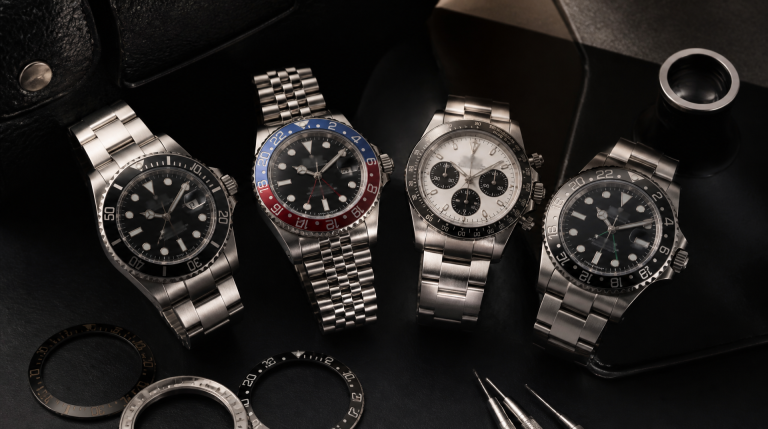
Quartz Cartier watches represent a harmonious blend of luxury and precision, captivating enthusiasts and collectors alike. A common question arises among potential buyers: do Cartier watches need batteries? Understanding the intricacies of quartz movements and their operation is essential for appreciating the craftsmanship behind these timepieces. This article will explore the mechanics of battery-operated quartz movements, their advantages over mechanical counterparts, and clarify common misconceptions surrounding their use. By delving into the unique technology employed by Cartier, we aim to provide a comprehensive overview of these exquisite watches.
Key Takeaways
Quartz Cartier watches are battery-operated, relying on battery life for performance and accuracy.
Maintenance is minimal for quartz watches, typically involving only battery replacements and cleaning.
The perceived value of quartz watches is influenced by their longevity, low maintenance needs, and affordability compared to mechanical counterparts.
Cartier combines innovative quartz technology with elegant design to offer reliable luxury timepieces.
The Mechanism of Quartz Movements
Quartz movements are renowned for their precision and reliability, utilizing the unique properties of quartz crystals to regulate timekeeping. These mechanisms operate through the interaction of electrical energy and the natural oscillation of quartz, enabling accurate time measurement with minimal maintenance. As we delve deeper into the specifics, we will explore the intricacies of quartz technology and the operational principles behind quartz movements.
Understanding Quartz Technology
Understanding quartz technology involves examining the fundamental principles that govern its functionality, including the piezoelectric effect and the role of oscillators in timekeeping devices. Quartz crystals generate an electrical charge when subjected to mechanical stress, a phenomenon that is central to their operation. These crystals oscillate at a consistent frequency when electrified, providing a stable timekeeping source. The integration of these oscillations into electronic circuits enables accurate timekeeping in various devices, including watches. Consequently, quartz technology has become synonymous with precision and reliability in the horological industry.
How Quartz Movements Work
The operation of quartz movements involves the conversion of electrical energy into mechanical energy, facilitated by the oscillation of a quartz crystal that maintains a consistent frequency for accurate timekeeping. This oscillation generates electrical pulses that drive the movement of the watch hands with remarkable precision. The simplicity of this mechanism allows for a compact design and minimal wear, contributing to the long-lasting nature of quartz watches. Additionally, the reliability of quartz movements has made them a popular choice in the watchmaking industry, ensuring high accuracy over time. As we consider the practical aspects of quartz watches, it is essential to understand battery life and replacement.
Battery Life and Replacement
Battery life is a critical aspect of quartz Cartier watches, influencing their overall performance and reliability. Understanding the factors that affect battery longevity, identifying signs of depletion, and being informed about the replacement process are essential for optimal watch maintenance. Furthermore, proactive measures can be taken to ensure the health of the battery, thereby extending its lifespan and functionality.
Battery Longevity Factors
Multiple factors contribute to battery longevity in Cartier watches, including temperature fluctuations, usage patterns, and the quality of the replacement components used. Regular exposure to extreme temperatures can compromise battery performance and lifespan. Additionally, frequent adjustments to the watch, such as setting the time or date, can lead to higher energy consumption. The choice of high-quality replacement batteries also plays a crucial role in maintaining optimal functionality. Lastly, understanding the specific requirements of each watch model can further enhance battery longevity.
Signs of Battery Depletion
Signs of battery depletion in quartz Cartier watches often manifest as irregular timekeeping, diminished power reserve, or the cessation of movement altogether. Additionally, the watch may exhibit a delay in the second hand’s movement, known as "hitching." Users may also notice a persistent change in the brightness of the watch’s display, indicating a weakening power source. In some instances, a faint ticking sound may become irregular or sporadic. Timely identification of these symptoms is crucial for maintaining the watch’s functionality and longevity.
Replacement Process Overview
A thorough replacement process is essential for ensuring the continued functionality and accuracy of quartz Cartier watches. This process involves removing the case back, carefully extracting the old battery, and installing a new, compatible battery. It is crucial to maintain a clean environment during the replacement to prevent contamination. After the new battery is in place, the case back must be securely reattached to ensure proper sealing. Regular maintenance and timely battery replacement will help preserve the watch’s performance and longevity.
Maintaining Battery Health
Maintaining battery health is essential for ensuring the longevity and reliable performance of quartz Cartier watches. Regularly checking the battery status can prevent unexpected failures and enhance overall accuracy. Environmental factors, such as extreme temperatures and humidity, should be monitored to protect the battery’s integrity. Proper storage of the watch when not in use can also contribute positively to battery lifespan. Adhering to recommended maintenance schedules will further support optimal battery function and performance.
Understanding Cartier’s Quartz Technology
Cartier’s quartz technology represents a sophisticated integration of precision and reliability in watchmaking. By utilizing a unique quartz movement mechanism, these timepieces offer remarkable accuracy and minimal maintenance. Understanding the intricacies of this technology allows consumers to appreciate the benefits and considerations associated with quartz watches.
Quartz Movement Mechanism
The quartz movement mechanism is renowned for its ability to deliver exceptional accuracy, making it a preferred choice among contemporary watchmakers. This technology utilizes a battery to send an electrical pulse through a quartz crystal, resulting in precise timekeeping. As a result, quartz watches require significantly less maintenance compared to their mechanical counterparts. The compact design of quartz movements allows for a wide range of innovative watch designs, catering to various aesthetic preferences. Overall, the quartz movement continues to set the standard for reliability in the luxury watch industry.
Battery Life Considerations
Battery life considerations play a crucial role in the overall user experience of quartz timepieces, influencing both convenience and long-term ownership satisfaction. Consumers often prioritize watches that provide extended battery life, minimizing the frequency of replacements. Additionally, the ability to easily replace batteries contributes to the practicality of quartz watches compared to mechanical alternatives. Understanding the lifespan of batteries in these timepieces allows for informed decisions regarding maintenance and usage. As we explore further, it is essential to consider the advantages of quartz watches that enhance their appeal and functionality.
Advantages of Quartz Watches
Numerous advantages of quartz watches include enhanced precision, lower maintenance requirements, and affordability, making them an attractive choice for both casual and luxury consumers. The technology behind quartz movements ensures that these timepieces remain accurate over extended periods, reducing the need for frequent adjustments. Furthermore, quartz watches typically require less servicing compared to their mechanical counterparts, resulting in lower long-term ownership costs. Their accessibility in terms of price also opens up opportunities for a wider audience to own luxury timepieces. This leads to an interesting comparison with mechanical watches, which offer a different set of characteristics and appeal.
Comparison with Mechanical Watches
The comparison between quartz and mechanical watches highlights significant differences in functionality and performance. Each type of watch offers distinct advantages, particularly in areas such as accuracy, maintenance, and lifespan. Understanding these differences is essential for discerning the value and craftsmanship of Cartier’s timepieces.
Quartz vs. Mechanical Accuracy
Accuracy levels in quartz watches typically surpass those found in mechanical models, offering a reliable timekeeping experience that appeals to precision-oriented consumers. Quartz movements benefit from the stable oscillation of a quartz crystal, resulting in minimal time deviation over extended periods. In contrast, mechanical watches are subject to various external factors that can affect their accuracy, such as temperature fluctuations and gravitational forces. This inherent difference in timekeeping precision often influences consumer preferences when selecting a watch. Consequently, understanding these accuracy distinctions serves as a precursor to examining the maintenance requirements comparison between quartz and mechanical timepieces.
Maintenance Requirements Comparison
Maintenance requirements for quartz and mechanical watches differ significantly, influencing the overall ownership experience and long-term care considerations for collectors and enthusiasts alike. Quartz watches typically require less frequent servicing, primarily involving battery replacements and occasional cleaning to maintain their functionality. In contrast, mechanical watches demand more regular maintenance, including lubrication and adjustments to ensure optimal performance and accuracy over time. The intricacies of mechanical movements necessitate skilled servicing, often leading to higher costs and a greater investment in care. Ultimately, these maintenance differences can shape a collector’s approach to ownership and appreciation of each watch type.
Lifespan of Each Type
Lifespan varies significantly between quartz and mechanical watches, with quartz models typically offering greater longevity due to their simpler movement and fewer mechanical components. Mechanical watches often require more frequent maintenance, which can impact their overall lifespan. In contrast, quartz watches can last for many years with minimal upkeep, primarily needing battery replacements. The durability of quartz movements contributes to their reputation for reliability and precision over time. Consequently, collectors and enthusiasts may prioritize quartz models for their longevity in everyday wear.
Cost Differences Explained
Cost differences between quartz and mechanical watches often reflect the intricate craftsmanship and materials used in their construction, influencing consumer choice in the luxury market. Mechanical watches generally command higher prices due to the complexity of their movements and the expertise required for assembly. In contrast, quartz watches benefit from mass production techniques, resulting in lower manufacturing costs. Additionally, the longevity of mechanical movements can justify their higher price tags for enthusiasts and collectors. Ultimately, the choice between these two types hinges on personal preference and perceived value.
Advantages of Quartz Cartier Watches
Quartz Cartier watches offer notable advantages that make them a preferred choice for many watch enthusiasts. Their precision and accuracy ensure reliable timekeeping, while the low maintenance requirements contribute to their practicality in daily use. These benefits position Quartz Cartier watches as both a luxurious and functional accessory.
Precision and Accuracy Benefits
The precision and accuracy of Cartier watches significantly enhance their appeal, ensuring that wearers can rely on their timepieces for consistent performance. This reliability is largely attributed to the advanced quartz movement technology utilized in these watches, which minimizes timekeeping errors. Furthermore, the rigorous quality control processes at Cartier guarantee that each watch meets high standards of precision. As a result, owners can confidently wear their Cartier timepieces in various settings without the concern of inaccurate timekeeping. With such advantages, it becomes evident that the low maintenance requirements further contribute to the overall practicality of Quartz Cartier watches.
Low Maintenance Requirements
Low maintenance requirements characterize Quartz Cartier watches, allowing wearers to enjoy their elegance without frequent servicing. The battery-operated mechanism ensures long-lasting performance, reducing the need for regular winding or adjustments. Additionally, the durable materials used in their construction enhance longevity and resist wear and tear. This practicality is particularly appealing to those with busy lifestyles who value both style and convenience. As a result, Quartz Cartier watches remain a popular choice among discerning consumers seeking low-maintenance luxury.
Common Misconceptions about Quartz Watches
Many individuals mistakenly believe that all quartz watches are inherently less sophisticated than their mechanical counterparts. This perception often overlooks the remarkable engineering and precision that quartz technology offers. In reality, quartz watches can achieve stunning accuracy and require minimal maintenance compared to mechanical watches. Furthermore, the aesthetic design of quartz timepieces can rival that of any luxury mechanical model.
Another common misconception is that quartz watches lack the craftsmanship associated with traditional watchmaking. However, many high-end brands utilize quartz movements in their luxury collections, demonstrating that quality is not exclusive to mechanical watches. Additionally, the notion that quartz watches are less valuable fails to consider the market demand and unique features of certain quartz models. Many collectors appreciate the innovation and reliability of quartz timepieces, elevating their status within the horological community.
As quartz technology continues to evolve, enthusiasts are increasingly recognizing the merits of these timepieces. Understanding the nuances of quartz watches can enhance appreciation for their design and functionality, leading to informed choices regarding their upkeep. This brings us to essential maintenance tips for quartz timepieces.
Maintenance Tips for Quartz Timepieces
Regular maintenance of battery-operated timepieces ensures optimal functionality and longevity, emphasizing the importance of timely battery replacements and proper cleaning. It is advisable to replace the battery every two to three years to prevent leakage and damage to internal components. Regularly checking the watch for water resistance is crucial, especially for models designed for aquatic activities. Keeping the timepiece away from extreme temperatures and magnetic fields helps maintain accuracy and prolongs its lifespan. Professional servicing is recommended every few years to address any potential wear and tear.
Cleaning the watch case and strap with a soft cloth can help maintain its aesthetic appeal and functionality. Avoiding exposure to harsh chemicals ensures that the materials remain intact and undamaged. Storing the watch in a dry, cool place when not in use helps prevent moisture buildup. Finally, familiarizing oneself with the manufacturer’s guidelines on maintenance can enhance the overall care of the quartz timepiece.
Luxury and Precision: The Cartier Difference
Luxury and precision are hallmarks of Cartier watches, setting them apart in the competitive world of timepieces. Renowned for their exquisite craftsmanship, Cartier timepieces embody the perfect union of elegance and functionality. The brand’s commitment to quality is evident in the meticulous attention to detail found in each watch. From the selection of premium materials to the innovative design elements, Cartier continues to redefine luxury in the horological landscape.
Quartz movements, known for their accuracy, are seamlessly integrated into Cartier’s collection, providing reliability alongside their signature style. Each quartz watch is engineered to maintain precision, ensuring that time is kept with remarkable exactness. The iconic designs, often inspired by historical motifs, enhance the aesthetic appeal while upholding the brand’s legacy. Cartier watches are not merely timekeeping devices; they are statements of sophistication and prestige. Ultimately, the Cartier difference lies in its ability to blend traditional watchmaking artistry with modern technology, creating timepieces that are truly timeless.
Choosing the Right Quartz Cartier Watch
Selecting the appropriate quartz Cartier watch involves considering personal style, functionality, and the intended occasion. The design of the watch should resonate with the wearer’s aesthetic preferences, whether that be classic elegance or modern minimalism. Functionality is equally important, as certain features like water resistance, date displays, or chronographs may cater to specific lifestyle needs. Additionally, the size and weight of the watch should complement the wearer’s wrist for optimal comfort.
Choosing a dial color and material can significantly influence the overall impression of the timepiece. Leather straps offer a different appeal compared to metal bracelets, affecting both style and versatility. It is also essential to consider the brand’s history and craftsmanship, ensuring that the chosen piece embodies the luxury associated with Cartier. The occasion for which the watch is intended can guide decisions on formality and design elements. Lastly, budget considerations will ultimately play a role in narrowing down the options to find the perfect quartz Cartier watch.
Conclusion
In summary, quartz Cartier watches exemplify the fusion of advanced technology and luxury design, offering precision and reliability for discerning consumers. The low maintenance requirements associated with quartz movements enhance their appeal, making them suitable for everyday wear while ensuring long-lasting performance. Factors such as battery life, replacement, and environmental influences play critical roles in the overall functionality and ownership experience of these timepieces. Additionally, the aesthetic versatility of quartz watches allows individuals to express personal style while navigating various occasions. Ultimately, the combination of craftsmanship, durability, and sophisticated design positions quartz Cartier watches as a formidable choice in the luxury watch market.
If you’re intrigued by the craftsmanship behind Cartier watches, I highly recommend exploring the fascinating history of the Must de Cartier watch box. This article delves into the legacy and significance of one of Cartier’s most iconic creations, providing valuable insights that any watch enthusiast will appreciate. Discover more by visiting the history of the Must de Cartier watch box.

The We Know Watches editorial team brings together over 40 years of combined watch collecting, trading, and repair experience. Our editors have owned and handled watches from every major brand — from entry-level Seiko 5s to Rolex, Omega, Patek Philippe, and independent Swiss watchmakers. We’ve bought and sold at auction, worked with authorized dealers, visited manufacturing facilities in Switzerland and Japan, and serviced hundreds of movements ranging from the Seiko 7S26 to the Longines L888. Every guide and review we publish is based on hands-on experience, original research, and consultation with professional watchmakers. We do not accept payment for reviews, and we clearly disclose when we use affiliate links.