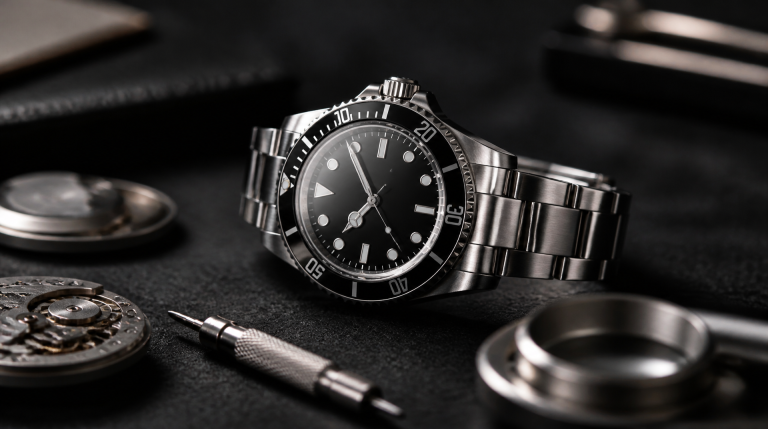
The allure of a Hamilton watch lies in its rich heritage and exceptional craftsmanship, making it a coveted timepiece for collectors and enthusiasts alike. However, with the rise of counterfeit products, discerning the authenticity of a Hamilton watch has become increasingly challenging. If you’ve ever found yourself questioning, "is my Hamilton watch real," this guide will provide essential insights to help you identify genuine pieces. We will delve into key indicators such as the authenticity of the logo, the intricacies of the watch movement, and the overall build quality. By equipping yourself with this knowledge, you can confidently navigate the market and ensure that your investment is truly a testament to Hamilton’s esteemed legacy.
Key Takeaways
Examine the logo characteristics, including font thickness, slant, and character spacing, as well as the quality of the dial and markers for authenticity.
Assess the movement type, ensuring it features quality engravings, serial numbers, and smooth operation indicative of genuine craftsmanship.
Scrutinize the craftsmanship and materials used, looking for high-quality components and consistent finishes, along with clear engravings and valid serial numbers.
Cross-reference features with known models, utilize specialized inspection tools, and engage with authorized dealers or watch communities for additional verification.
Recognizing the Authentic Hamilton Logo
Recognizing the authentic Hamilton logo is crucial for discerning genuine timepieces from counterfeit ones. By closely examining specific characteristics of the logo, buyers can significantly reduce the risk of acquiring a fake. This analysis involves scrutinizing various elements such as font, placement, and color accuracy, as well as being aware of common misprints.
Logo Font Characteristics
Font characteristics play a vital role in identifying the authenticity of the Hamilton logo, as specific typefaces and letterforms can indicate whether a timepiece is genuine or counterfeit. The precision of the font, including the thickness and slant of the letters, must align with known authentic examples. Additionally, the spacing between characters should be consistent, reflecting the quality of craftsmanship expected from Hamilton timepieces. Counterfeit logos often exhibit irregularities in font style, such as uneven letter heights or incorrect serifs. A meticulous examination of these elements is essential for ensuring the integrity of any Hamilton watch purchase.
Logo Placement Details
Logo placement details play a pivotal role in identifying the authenticity of a Hamilton timepiece, as specific positioning can indicate adherence to brand standards. The logo is typically positioned prominently on the dial, often at the 12 o’clock mark, ensuring visibility and brand recognition. Authentic Hamilton watches feature precise alignment, with the logo centering neatly within the designated area without any distortion. Counterfeit watches may exhibit irregular placements, misalignments, or variations in size that deviate from the official specifications. Therefore, meticulous observation of the logo’s placement is essential for discerning authentic Hamilton timepieces from imitations.
Logo Color Accuracy
Color accuracy plays a vital role in identifying the legitimacy of the Hamilton logo, as discrepancies in hue can indicate potential counterfeits. Authentic Hamilton logos exhibit a specific color palette that adheres to the brand’s established standards. Any noticeable deviation in color intensity or shade may signal that the watch is not genuine. In addition, the logo’s color should maintain consistency across various models and collections. Therefore, thorough examination of the logo’s color is essential for accurate authentication.
Common Logo Misprints
Common logo misprints can lead to significant confusion among consumers, often resulting in the purchase of counterfeit products that do not meet brand standards. These misprints may include incorrect font styles, improper spacing, or inaccurate color representations. Additionally, a poorly aligned logo could indicate a lack of attention to detail, which is often a hallmark of counterfeit items. Consumers should be vigilant in examining these discrepancies, as they can serve as red flags for authenticity. Understanding these common misprints is essential for anyone looking to invest in a genuine Hamilton watch.
Examining the Watch Movement
Examining the watch movement is a critical step in determining the authenticity of a Hamilton watch. The intricacies of the movement reveal not only the craftsmanship but also the technology employed in the timepiece. By focusing on key aspects such as movement types and their authenticity, one can gain valuable insights into the watch’s legitimacy.
Understanding Watch Movements
Understanding watch movements encompasses a range of mechanical and quartz technologies, each offering distinct advantages and characteristics that contribute to the overall performance and reliability of timepieces. Mechanical movements, renowned for their intricate designs and craftsmanship, rely on a series of gears and springs to maintain time. In contrast, quartz movements utilize a battery-powered oscillator, providing unmatched accuracy and low maintenance requirements. The distinction between these movements is crucial for collectors and enthusiasts, as it reflects the watch’s heritage and engineering prowess. Ultimately, the type of movement significantly influences the watch’s value and desirability in the market.
Identifying Movement Types
Identifying movement types is essential for collectors and enthusiasts, as it provides insight into the heritage and engineering of Hamilton watches. Each movement type, whether automatic, manual, or quartz, has distinct characteristics that can aid in authentication. Observing the movement’s finishing, markings, and serial numbers can further confirm its originality. Additionally, understanding the history of Hamilton’s movements allows for a more informed assessment of potential fakes. Ultimately, recognizing these nuances enhances the collector’s ability to discern genuine timepieces from counterfeit ones.
Checking Movement Authenticity
Movement authenticity verification represents a fundamental aspect of watch appraisal, ensuring that the timepiece aligns with the manufacturer’s specifications and historical accuracy. Key indicators such as the engraving quality, serial numbers, and movement type can significantly aid in this verification process. It is essential to compare the internal components with known authentic examples to identify any discrepancies. Additionally, the use of specialized tools may be necessary to inspect the movement closely for signs of tampering or inauthentic parts. Ultimately, a thorough examination of the movement is crucial for establishing the legitimacy of a Hamilton watch.
Analyzing Movement Craftsmanship
The craftsmanship of watch movements reflects a blend of artistry and precision engineering, showcasing the meticulous attention to detail that defines high-quality horology. Each component, from the escapement to the rotor, is designed to work harmoniously, ensuring accurate timekeeping and reliability. Authentic Hamilton movements are often adorned with intricate engravings and finishes, indicative of the brand’s heritage and commitment to excellence. Observing the quality of materials used in the movement can also reveal discrepancies, as counterfeit models may employ inferior components. Ultimately, a thorough analysis of movement craftsmanship is essential for discerning the true nature of a Hamilton watch.
Analyzing Craftsmanship and Build Quality
Analyzing craftsmanship and build quality is essential in distinguishing genuine Hamilton watches from imitations. A thorough examination of various components, including materials and design features, can reveal critical indicators of authenticity. The following points will guide you through the key aspects to consider in this evaluation process.
Inspecting Case Materials
Case materials play a crucial role in determining the durability and overall aesthetic appeal of Hamilton watches, with options ranging from stainless steel to precious metals that signify quality and craftsmanship. Authentic Hamilton watches often exhibit a consistent finish and weight that is difficult to replicate in counterfeit models. The presence of high-quality materials, such as sapphire crystal and genuine leather, further enhances the watch’s authenticity. Close inspection of any logos, engravings, and serial numbers on the case can also provide insight into the watch’s legitimacy. Ultimately, understanding the specific materials used in genuine Hamilton timepieces is essential for discerning authenticity.
Evaluating Dial Features
Dial features play a crucial role in assessing the overall authenticity and aesthetic appeal of Hamilton watches. The quality of the dial finish, including the texture and color consistency, should align with the high standards set by the brand. Authentic Hamilton watches typically exhibit precise printing, with logos and markers that are sharply defined and evenly spaced. Additionally, the presence of specific details, such as the correct font and alignment of the date window, can serve as significant indicators of genuineness. A genuine Hamilton timepiece will also display the expected luminescence and clarity of the dial under various lighting conditions.
Assessing Movement Quality
Quality assessment of the movement in Hamilton watches is crucial for determining their precision and reliability. Authentic Hamilton watches typically feature Swiss-made movements, known for their meticulous craftsmanship and accuracy. The presence of specific engravings and markings on the movement can serve as indicators of authenticity. Additionally, the smoothness of the movement’s operation, including the sweeping motion of the second hand, is a vital characteristic to observe. Finally, any unusual sounds or irregularities in performance may suggest the presence of a counterfeit timepiece.
Checking Engravings and Markings
Authentic Hamilton watches feature precise engravings and markings that serve as vital identifiers of their craftsmanship and origin. These engravings are typically found on the case back, dial, and movement, showcasing the brand’s commitment to quality. Genuine models will have clear and consistent font styles, while fakes often exhibit irregularities or poor workmanship. Additionally, Hamilton watches include specific serial numbers that can be cross-referenced with manufacturer records. A detailed scrutiny of these engravings is essential for verifying authenticity.
Checking the Serial Number
Checking the serial number is a crucial step in determining the authenticity of a Hamilton watch. By examining this detail, potential buyers can uncover vital information that distinguishes genuine timepieces from counterfeits. The following points will guide you through the process of locating and verifying the serial number effectively.
Locating the Serial Number
The serial number on a Hamilton watch is typically found engraved on the case back, along with other identifying details that can aid in verifying its authenticity. In some models, the serial number may also be located between the lugs, which are the parts of the case that hold the strap or bracelet. It is essential to clean the surface gently to ensure clear visibility of the engraved number. Additionally, the serial number is often accompanied by the model number, providing further context for identification. Careful examination of these locations is crucial for confirming the legitimacy of the timepiece.
Understanding Serial Number Format
Understanding the serial number format is essential for accurately identifying the production date and model of a Hamilton watch. Each Hamilton watch is assigned a unique serial number that follows a specific structure, often consisting of both letters and digits. The first few characters typically indicate the production year, while the subsequent numbers may denote the model or specific features of the watch. Familiarity with this format allows collectors and enthusiasts to authenticate watches effectively. Consequently, recognizing discrepancies in the serial number can be a key indicator of a counterfeit timepiece.
Verifying Authenticity Online
Verifying authenticity online involves utilizing reputable platforms and resources that specialize in the assessment of luxury watches, ensuring that buyers can confidently make informed purchasing decisions. Buyers should start by cross-referencing the serial number with official databases provided by Hamilton or authorized dealers. Furthermore, engaging with watch forums and communities can offer insights from experienced collectors regarding the authenticity of specific models. It is also advisable to review any provided documentation, such as warranties or certificates of authenticity, to corroborate the watch’s legitimacy. Lastly, utilizing video calls or high-resolution images can aid in conducting thorough visual inspections of the timepiece.
Cross-Referencing with Manufacturer
Cross-referencing with the manufacturer provides an additional layer of assurance in confirming the legitimacy of a Hamilton watch. This process typically involves checking the serial number against official records maintained by Hamilton. Authorized dealers or the brand’s customer service can offer confirmation regarding the watch’s authenticity. Additionally, manufacturers often provide resources or tools for verifying the details of their products. Engaging in this method not only enhances buyer confidence but also helps combat the proliferation of counterfeit items in the market.
Evaluating the Weight and Material
Evaluating the weight and material of a Hamilton watch is essential, as authentic models typically exhibit a substantial heft and high-quality finishes that are difficult to replicate in counterfeit versions. Genuine Hamilton watches are often crafted from premium materials such as stainless steel, gold, or titanium, showcasing meticulous attention to detail. The weight of the watch can be a telling factor; authentic pieces tend to feel solid and robust in the hand. In contrast, counterfeit watches frequently utilize inferior materials, resulting in a lightweight and flimsy feel. Additionally, the surface finish on genuine Hamilton watches should be smooth and polished, free from any blemishes or rough edges. It is advisable to inspect the watch closely for any inconsistencies in the material quality, as these can be indicators of a fake. Ultimately, assessing both the weight and material can provide valuable insights into the authenticity of a Hamilton watch.
Investigating the Packaging and Documentation
Authentic Hamilton watches are accompanied by high-quality packaging and detailed documentation, which often includes a warranty card and user manual that reflect meticulous craftsmanship. The packaging typically features the Hamilton logo prominently displayed, with a sturdy box that protects the watch. Upon inspection, the materials used in the packaging should feel robust and well-constructed, as opposed to flimsy or cheap alternatives often found with counterfeit products. The documentation accompanying the watch will include specific details about the model and serial number, which can be cross-referenced with official records. Additionally, authentic watches come with a certificate of authenticity that is difficult to replicate. Counterfeit documentation may contain spelling errors or inconsistencies in the branding and logos. It is essential to scrutinize both the packaging and documentation to ensure the watch’s authenticity.
Comparing Price Points and Sources
Price points and sources play a crucial role in identifying genuine Hamilton watches, as significant discrepancies often indicate potential fakes. Authentic Hamilton watches typically fall within a specific price range that reflects their quality and craftsmanship. If a deal seems too good to be true, it often is, and potential buyers should exercise caution. Furthermore, reputable sources such as authorized dealers or well-known retailers provide a level of assurance regarding authenticity. Conversely, purchasing from unverified websites or third-party sellers can increase the risk of acquiring counterfeit products. It is essential to research the average market value of the specific model in question before making a purchase. By being vigilant about price points and sources, consumers can better safeguard themselves against fraudulent transactions.
Frequently Asked Questions
What are some common myths about hamilton watches that can lead to confusion?
There are several common myths surrounding Hamilton watches that can lead to significant confusion among enthusiasts and potential buyers. One prevalent misconception is that all Hamilton watches are Swiss-made, when in fact, some models are produced in other countries, reflecting the brand’s diverse manufacturing heritage. Additionally, many people believe that all Hamilton watches come with a lifetime warranty, whereas the warranty period typically varies depending on the model and purchase date. Another myth suggests that Hamilton watches are exclusively designed for men, overlooking the brand’s extensive collection of women’s timepieces that combine elegance with functionality. Furthermore, there is a tendency to assume that Hamilton watches are only for collectors, when in reality, they are accessible and suitable for a wide range of consumers seeking quality timepieces. Finally, some individuals mistakenly think that Hamilton’s association with Hollywood guarantees a higher resale value, which is not always the case, as market demand can fluctuate based on trends and availability.
How can i find a reputable watchmaker for servicing my hamilton watch?
Finding a reputable watchmaker for servicing your Hamilton watch is critical to maintaining its integrity and performance. Start by seeking recommendations from fellow watch enthusiasts or local jewelry retailers who have a good reputation for servicing luxury timepieces. It is also beneficial to consult online forums or social media groups dedicated to watch collecting, where experienced members can provide insights on trustworthy watchmakers. Ensure that the watchmaker you consider is certified and has experience specifically with Hamilton watches, as familiarity with the brand’s intricacies can significantly impact the quality of service. Additionally, inquire about the availability of original parts and whether the watchmaker offers a warranty on their work, which can serve as an assurance of their expertise. Ultimately, investing time in research will help you find a skilled professional who can expertly care for your Hamilton watch.
What legal actions can i take if i unknowingly purchase a counterfeit hamilton watch?
If you find yourself in the unfortunate position of having unknowingly purchased a counterfeit Hamilton watch, there are several legal actions you can consider. First, it is advisable to document all evidence of the purchase, including receipts, advertisements, and any correspondence with the seller. You may then contact the seller to seek a resolution, such as a refund or exchange. If the seller is uncooperative, you can file a complaint with consumer protection agencies or the Better Business Bureau, which may help facilitate a resolution. Additionally, you have the option to pursue legal action through small claims court, where you can present your case for damages incurred due to the counterfeit purchase. Lastly, consulting with a legal professional who specializes in intellectual property law may provide further guidance on your specific situation and potential remedies available to you.
Conclusion
In summary, recognizing authentic Hamilton watches necessitates a keen eye for detail, encompassing various indicators such as logo precision, craftsmanship, and quality of materials. Thorough inspections of dials, movements, and packaging contribute significantly to verifying authenticity. Familiarity with common counterfeit characteristics aids in avoiding potential pitfalls when purchasing. Adhering to best practices for verification and selecting reputable sellers enhances the likelihood of acquiring a genuine timepiece. Overall, a comprehensive understanding of Hamilton watches and the counterfeit landscape fosters informed decision-making in the watch market.
If you’re interested in understanding the intricacies of quality timepieces, I highly recommend visiting this webpage on the history of Bulova watches. It offers fascinating insights into the craftsmanship and legacy of Bulova, a brand renowned for its innovation and style. Exploring this topic will deepen your appreciation for watches and enhance your ability to distinguish genuine pieces from counterfeits.

The We Know Watches editorial team brings together over 40 years of combined watch collecting, trading, and repair experience. Our editors have owned and handled watches from every major brand — from entry-level Seiko 5s to Rolex, Omega, Patek Philippe, and independent Swiss watchmakers. We’ve bought and sold at auction, worked with authorized dealers, visited manufacturing facilities in Switzerland and Japan, and serviced hundreds of movements ranging from the Seiko 7S26 to the Longines L888. Every guide and review we publish is based on hands-on experience, original research, and consultation with professional watchmakers. We do not accept payment for reviews, and we clearly disclose when we use affiliate links.