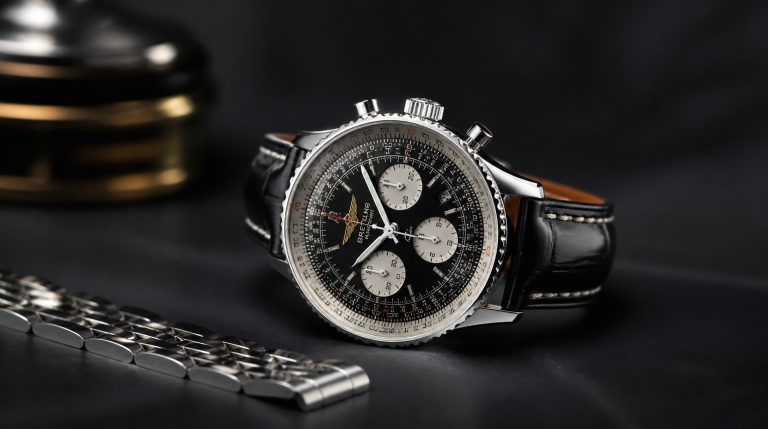
For watch enthusiasts and collectors, knowing how to open a vintage Hamilton wrist watch can be a valuable skill. Many people admire these timepieces for their craftsmanship and history, but they often hesitate to explore the inner workings. With the right tools and techniques, anyone can safely remove the back case and inspect the movement. This guide will walk readers through the essential steps to ensure they handle their vintage watches with care. By following these instructions, they’ll not only gain confidence but also enhance their appreciation for these classic pieces.
Assessing the Watch Type
Determining the watch type is essential, as it helps in identifying the right method for opening a vintage Hamilton wristwatch. Each model has its own unique characteristics that can influence the opening process. Knowing whether it’s a manual or automatic movement can save time and prevent damage. It’s also important to differentiate between models with snap-on backs and those with screw-down backs. Assessing the presence of a winding crown gives clues about the watch’s design. Additionally, identifying any inscriptions or markings can provide valuable information about the watch’s era and specifications. Once the watch type is determined, one can move forward to gather the necessary tools for the task.
Gathering the Necessary Tools
Gathering the necessary tools is essential for anyone looking to open a vintage Hamilton wristwatch. It’s important to have a case back opener to avoid damaging the watch. A set of fine screwdrivers is also crucial for removing any screws that may be present. Additionally, a pair of tweezers can help handle small components safely. It’s wise to include a magnifying glass for better visibility during the process. A soft cloth should be on hand to protect the watch from scratches. Finally, a clean workspace will help ensure that nothing gets lost during the procedure.
Finding the Right Opening Technique
Finding the right opening technique can significantly affect the preservation of the vintage Hamilton wrist watch. It’s crucial to identify whether the watch has a snap-back or screw-back case. Each type requires a different approach to avoid damaging the delicate components inside. For snap-back cases, a gentle prying with a case knife or similar tool is often effective. In contrast, screw-back cases need a specialized case wrench to ensure a secure grip. Any excessive force can lead to scratches or cracks, making careful handling essential. Once the right technique is determined, the next step involves removing the back case to access the inner workings of the watch.
Removing the Back Case
Removing the back case requires a careful approach to avoid damaging the watch. One should ensure the workspace is clean and well-lit. Using the appropriate tools is crucial for a successful removal. It’s important to locate the case back’s notches for proper leverage. A gentle twist or pry with a case opener can help pop the back off. If the case is stubborn, applying a bit of heat may loosen it. Once the back is off, the internal components are accessible for further inspection or repair.
Inspecting the Movement
Inspecting the movement reveals intricate craftsmanship that showcases the watchmaker’s skill. Each gear and spring is meticulously placed, demonstrating precision engineering. The delicate balance wheel oscillates gracefully, contributing to the watch’s accuracy. Dust and debris can hinder performance, so careful observation is vital. One might notice the unique markings that indicate the model and year of manufacture. This attention to detail not only enhances the watch’s value but also its story. After appreciating the intricacies of the movement, it’s time to consider the process of reassembling the watch.
Reassembling the Watch
Reassembling the watch requires careful attention to detail to ensure each component fits perfectly. He’ll begin by aligning the movement with the case, ensuring it’s secure. Once that’s done, she’ll carefully place the dial back onto the movement, making sure it’s centered. Next, he’ll install the hands, taking care not to bend them in the process. After that, she’ll fit the crystal back onto the case, locking it in place to protect the dial. He’ll finish by attaching the case back, ensuring it’s tightened to prevent dust and moisture from entering. Finally, she’ll test the watch to confirm everything’s functioning smoothly.
Caring for Your Vintage Timepiece
Caring for a vintage Hamilton wristwatch requires regular maintenance to ensure its longevity and performance. It’s essential to keep the watch clean and free from dust and grime. Regularly winding the watch helps maintain its movement and accuracy. It’s advisable to store the watch in a safe, dry place when not in use. A professional servicing every few years can prevent potential issues from escalating. It’s important to avoid exposing the watch to extreme temperatures and moisture. Using a soft cloth for polishing keeps the watch looking pristine.
Frequently Asked Questions
What are the common signs of wear or damage to look for in a vintage hamilton wrist watch?
When assessing a vintage Hamilton wrist watch, one should look for scratches on the crystal, discoloration of the dial, and signs of rust on the case. Additionally, any irregularities in the movement or inconsistent timekeeping could indicate internal damage that needs attention.
How can i determine the value of my vintage hamilton wrist watch?
To determine the value of a vintage Hamilton wrist watch, one should consider factors like its condition, rarity, and any unique features it might possess. Consulting recent sales data or professional appraisals can also provide a clearer picture of its worth.
What historical significance does my vintage hamilton wrist watch have?
The historical significance of a vintage Hamilton wrist watch lies in its representation of American craftsmanship and innovation during the early 20th century. Collectors often appreciate its role in the evolution of timekeeping technology, which reflects the brand’s commitment to quality and style.
Conclusion
In summary, opening a vintage Hamilton wristwatch requires careful assessment and the right tools to ensure the process is smooth. By identifying the watch type and gathering necessary equipment, one can approach the task with confidence. Utilizing the appropriate technique for the case style is crucial to avoid any damage. Once opened, inspecting the intricate movement not only showcases the craftsmanship but also helps maintain the watch’s performance. With proper care and regular maintenance, these timepieces can continue to tell their stories for years to come.
If you’re interested in the intricate world of vintage watches, I highly recommend exploring the fascinating history of the Rado Integral watch design. This insightful article delves into the artistry and innovation behind these timepieces, providing a deeper appreciation for the craft. You can read more about it here.

The We Know Watches editorial team brings together over 40 years of combined watch collecting, trading, and repair experience. Our editors have owned and handled watches from every major brand — from entry-level Seiko 5s to Rolex, Omega, Patek Philippe, and independent Swiss watchmakers. We’ve bought and sold at auction, worked with authorized dealers, visited manufacturing facilities in Switzerland and Japan, and serviced hundreds of movements ranging from the Seiko 7S26 to the Longines L888. Every guide and review we publish is based on hands-on experience, original research, and consultation with professional watchmakers. We do not accept payment for reviews, and we clearly disclose when we use affiliate links.