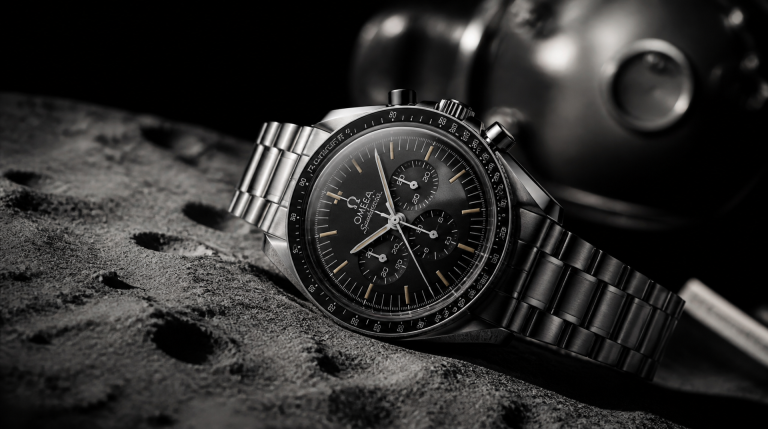
The economic recession presents a unique challenge for luxury markets, particularly in the context of luxury watch prices. Historical data reveals distinct trends in pricing and consumer behavior shifts during such downturns, influencing brands and their perceived value. Notably, brands like Breitling are affected as consumers reassess their purchasing priorities, leading to fluctuations in Breitling watch prices. Additionally, supply chain disruptions further complicate availability, while the rise of the pre-owned luxury watch market offers new investment opportunities. This article explores the intricate dynamics between economic downturns and the luxury watch sector, providing insights valuable to both buyers and sellers navigating these uncertain times.
Historical Trends in Luxury Watch Pricing During Recessions
Historical trends indicate that luxury watch pricing exhibits notable fluctuations during economic recessions, reflecting shifts in consumer behavior and market dynamics. Despite these challenges, the luxury watch market has demonstrated a remarkable resilience, maintaining a niche appeal among affluent buyers. This duality of historical price trends and market endurance sets the stage for a deeper exploration of the factors influencing luxury watch pricing during economic downturns.
Historical Price Fluctuations
Price fluctuations in the luxury watch market often reflect broader economic conditions, influenced by factors such as consumer confidence and market demand. Historical data reveals that during economic downturns, luxury watch prices may experience significant declines, as buyers become more conservative with their spending. Conversely, periods of economic recovery typically see a resurgence in demand, leading to price stabilization or even appreciation. Notably, certain brands may remain insulated from these fluctuations due to their strong market positioning and brand loyalty. This interplay between price volatility and brand resilience underscores the complexities of the luxury watch market, paving the way for an examination of its overall resilience during challenging economic times.
Luxury Watch Market Resilience
Luxury watch market resilience manifests in the continued demand for high-end timepieces, even amidst economic uncertainty, highlighting a robust consumer commitment to luxury goods. This enduring interest underscores the luxury sector’s ability to adapt and thrive under challenging economic conditions. Affluent consumers often view luxury watches as a form of investment, further solidifying their market presence. Additionally, brand loyalty plays a significant role in sustaining demand for established luxury watchmakers. Understanding these patterns is crucial as we transition into examining consumer behavior shifts in economic downturns.
Consumer Behavior Shifts in Economic Downturns
Economic downturns often catalyze significant shifts in consumer behavior, leading to altered purchasing priorities. As financial constraints tighten, consumers frequently gravitate towards more affordable alternatives, impacting high-end markets. This transition reflects a broader trend in spending habits during challenging economic times.
Changing Purchasing Priorities
Changing purchasing priorities often reflect a consumer’s need to balance quality with affordability, driving demand for value-oriented products. In periods of economic uncertainty, consumers become more discerning, often choosing products that offer the best return on investment. This shift results in a noticeable decline in the desirability and sales of luxury items, as consumers prioritize practicality over prestige. Furthermore, brands that traditionally positioned themselves in the luxury segment may adapt their strategies to cater to this evolving market landscape. As such, the trend naturally leads to an increased demand for affordable alternatives.
Demand for Affordable Alternatives
The demand for affordable alternatives has surged as consumers increasingly prioritize value in their purchasing decisions. This shift is particularly evident in the luxury watch market, where high-end brands face increasing competition from more budget-friendly options. As economic pressures mount, consumers are more inclined to seek out products that offer both quality and cost-effectiveness. Consequently, luxury watch manufacturers are compelled to reevaluate their pricing strategies to retain market share. The resulting landscape reflects a broader trend of frugality that permeates consumer behavior during economic recessions.
The Role of Brand Perception in Luxury Watch Valuation
Brand perception plays a pivotal role in determining the valuation of luxury watches, particularly in fluctuating economic climates. A strong brand equity not only enhances consumer trust and loyalty but also influences market trends and overall perception. As economic conditions shift, the interplay between these factors becomes increasingly critical in assessing the price dynamics of luxury timepieces.
Brand Equity and Value
Equity in a brand significantly influences its perceived value, creating a direct correlation between consumer loyalty and market performance. High brand equity often leads to premium pricing, even in challenging economic conditions. Consumers are more likely to invest in luxury watches from brands they perceive as prestigious and reliable. Consequently, brands with strong equity tend to weather economic downturns better and maintain their market position. This relationship underscores the importance of brand management strategies in sustaining value over time.
Consumer Trust and Loyalty
Consumer trust and loyalty serve as essential pillars that drive repeat purchases and long-term relationships in today’s competitive marketplace. In the luxury watch sector, these elements are particularly vital as discerning consumers seek assurance in their investments. A brand that cultivates strong consumer trust is more likely to maintain its value, even during economic downturns. Loyalty programs and personalized customer experiences can further enhance this trust, creating a buffer against market volatility. Ultimately, brands that prioritize consumer trust and loyalty will likely navigate economic challenges more effectively and sustain their market presence.
Market Trends and Perception
Market trends in the luxury watch sector are increasingly influenced by shifts in consumer perception, which can significantly affect pricing and desirability. As buyers become more discerning, the value placed on heritage, craftsmanship, and brand narrative often rises, impacting purchasing behavior. Moreover, the emergence of digital platforms has enabled instant access to information, allowing consumers to make informed decisions based on perceived value. The interplay between brand reputation and economic conditions further complicates the market, as luxury watches are often seen as both status symbols and investment pieces. Consequently, brands must continuously adapt their strategies to maintain relevance and appeal amid changing consumer sentiments.
Supply Chain Challenges and Their Impact on Availability
Supply chain challenges have emerged as a significant hurdle for luxury brands, directly influencing product availability in the market. These disruptions not only affect the timely delivery of components but also impact the overall production capacity of luxury watches. Consequently, the ramifications of these challenges are felt acutely in the luxury watch segment, where availability can dictate pricing and consumer perception.
Supply Chain Disruptions Overview
Recent supply chain disruptions have significantly affected various industries, highlighting vulnerabilities in logistics and production processes. These challenges have led to increased lead times and a scarcity of raw materials, complicating manufacturing schedules. As a result, brands are struggling to maintain inventory levels, particularly in the luxury market where demand remains high. The inability to efficiently manage supply chains has created uncertainty for retailers and consumers alike. This situation has profound implications for luxury watch availability, further influencing market dynamics and pricing strategies.
Effects on Luxury Watch Availability
The availability of luxury watches has become increasingly constrained, leading to heightened demand and a subsequent rise in secondary market prices. This scarcity arises from ongoing supply chain challenges, which hinder the efficient production and distribution of these high-end timepieces. As brands struggle to maintain inventory levels, consumers are left with limited options, further intensifying their desire for exclusive models. The perception of luxury watches as status symbols exacerbates this situation, driving collectors and enthusiasts to compete for the few available pieces. Ultimately, this dynamic creates a volatile market where prices can fluctuate dramatically based on availability and consumer sentiment.
The Growing Market for Pre-Owned Luxury Watches
The pre-owned luxury watch market has witnessed significant growth, fueled by shifting consumer preferences and economic considerations. As collectors and enthusiasts increasingly seek value retention strategies, the demand for pre-owned timepieces continues to rise. Furthermore, the expansion of online marketplaces has facilitated access to a diverse range of luxury watches, enhancing their appeal among a broader audience.
Rise of Pre-Owned Demand
A notable increase in demand for pre-owned luxury watches reflects a growing trend among consumers prioritizing sustainability and investment value in their purchasing decisions. This surge is attributed to a heightened awareness of environmental concerns, prompting buyers to choose pre-owned options over new ones. Additionally, the allure of vintage pieces and limited editions further drives interest in the secondary market. The transparency provided by online platforms enables potential buyers to make informed choices, fostering trust in the pre-owned sector. Consequently, the pre-owned luxury watch market is poised for sustained growth as consumer preferences continue to evolve.
Value Retention Strategies
Value retention strategies have become essential for collectors seeking to maximize the longevity and worth of their luxury watch investments. These strategies often involve meticulous maintenance, including regular servicing and proper storage, to preserve the watch’s condition. Additionally, collectors are increasingly focusing on brands and models renowned for their historical significance and demand in the market. Engaging with reputable dealers and utilizing comprehensive market analysis can further enhance the potential for value retention. Ultimately, informed decision-making is crucial in navigating the complexities of the luxury watch market.
Online Marketplaces Expansion
Expansion of online marketplaces has transformed the accessibility and buying experience for luxury watch enthusiasts, allowing for a more competitive and diverse market environment. These platforms have democratized the purchasing process, enabling buyers to easily compare prices and selections from global sellers. Additionally, the ease of conducting transactions online has encouraged greater liquidity within the pre-owned luxury watch sector. As a result, the stigma associated with buying pre-owned watches has diminished, leading to an increase in consumer confidence. This evolution aligns with a broader trend of consumer preferences shift, as buyers seek out value and authenticity in their purchases.
Consumer Preferences Shift
Consumer preferences are increasingly leaning towards sustainability and uniqueness, driving interest in pre-owned luxury watches as a desirable alternative to new models. This trend reflects a broader societal shift towards conscious consumerism, where individuals prioritize ethical considerations in their purchasing decisions. The allure of owning a distinctive timepiece with a rich history resonates strongly with collectors and fashion enthusiasts alike. Additionally, the perception of value in pre-owned luxury items has grown, as consumers recognize the potential for long-term investment. Ultimately, this evolving mindset is reshaping the luxury watch market, encouraging brands to adapt their offerings to cater to these changing preferences.
Investment Potential of Luxury Watches During Recessions
The investment potential of luxury watches during economic recessions presents a unique opportunity for discerning collectors and investors alike. Historical price trends reveal the resilience of this asset class, often outperforming traditional investments in times of market instability. Factors such as brand strength, collectibility, and sustained demand further bolster the case for luxury watches as a viable investment vehicle amid challenging economic conditions.
Historical Price Trends
Historical price trends indicate a consistent appreciation in the value of luxury watches, particularly during periods of economic uncertainty. Data shows that high-end timepieces often retain or even increase their worth when traditional markets falter. Collectors have observed a notable shift towards luxury watches as alternative investments, reflecting a growing confidence in this asset class. The rarity and craftsmanship associated with esteemed brands contribute significantly to their enduring appeal. Overall, the historical performance of luxury watches underscores their potential as a robust investment during recessive economic cycles.
Brand Resilience Factors
Brand resilience factors play a crucial role in determining the longevity and marketability of luxury watches, with elements such as heritage, innovation, and customer loyalty significantly influencing consumer perceptions and investment potential. Heritage imbues brands with a sense of authenticity and trust, which is vital for maintaining consumer interest during economic downturns. Innovation enables luxury watchmakers to remain relevant and appealing, attracting new buyers while retaining existing customers. Customer loyalty fosters repeat business and enhances brand value, particularly in turbulent financial times when discretionary spending may wane. Together, these factors create a robust framework that supports the sustained demand for luxury watches, even in adverse economic conditions.
Collectibility and Demand
Collectibility and demand for luxury watches are significantly influenced by limited production runs and unique design features that appeal to both enthusiasts and investors. The allure of exclusivity combined with craftsmanship enhances the desirability of certain models, driving prices higher in the secondary market. Market trends indicate that specific brands maintain a loyal following, resulting in sustained interest even during economic downturns. Additionally, the intersection of luxury and investment attracts a diverse demographic, further complicating the demand landscape. Understanding these dynamics is essential when examining regional variations in luxury watch market responses.
Regional Variations in Luxury Watch Market Responses
Regional variations in market responses to luxury watch pricing during economic recessions reveal significant disparities influenced by local economic conditions and consumer sentiment. In regions with robust economic resilience, luxury watch prices may remain relatively stable, while weaker markets may experience sharper declines. Consumer confidence plays a crucial role, as buyers in affluent areas may continue to invest in luxury timepieces despite economic uncertainty. Conversely, in markets facing significant financial strain, demand for high-end watches can diminish rapidly, prompting sellers to adjust pricing strategies. Understanding these regional dynamics is essential for both buyers and sellers navigating the complexities of a downturn.
Strategies for Buyers and Sellers in a Downturn
Navigating the luxury watch market during an economic downturn requires buyers and sellers to adopt adaptive strategies that account for changing consumer behavior and price fluctuations. Buyers should focus on researching market trends, seeking out reputable dealers, and considering pre-owned options to maximize value. Sellers may benefit from adjusting pricing strategies and enhancing marketing efforts to highlight the unique features and investment potential of their timepieces. Collaborating with online platforms can also provide broader exposure and access to a wider audience. Ultimately, maintaining flexibility and responsiveness to market conditions will be essential for success in this challenging environment.
Frequently Asked Questions
How do luxury watch manufacturers respond to changes in consumer demand during a recession?
Luxury watch manufacturers often respond to fluctuations in consumer demand by adjusting their production strategies and marketing approaches. During periods of decreased demand, companies may streamline their operations, focusing on high-margin products while reducing the introduction of new models. Additionally, they might enhance their marketing efforts to emphasize the brand’s heritage and craftsmanship, aiming to maintain consumer interest and loyalty. Furthermore, manufacturers may explore diversification into more affordable luxury segments to attract a broader customer base during economic downturns.
What role do economic indicators play in predicting luxury watch price fluctuations?
Economic indicators serve as critical tools for forecasting fluctuations in luxury watch prices, as they provide insights into broader market trends and consumer behavior. Key indicators such as GDP growth rates, unemployment figures, and consumer confidence indices can influence both demand and pricing strategies within the luxury goods sector. Additionally, changes in interest rates and inflation can affect disposable income, thereby impacting consumers’ willingness to invest in high-end timepieces. By analyzing these indicators, manufacturers and retailers can make informed decisions regarding inventory management, pricing adjustments, and marketing strategies.
Are there specific luxury watch brands that tend to perform better during economic downturns?
Certain luxury watch brands exhibit resilience during economic downturns, often attributed to their strong brand equity and loyal customer base. Brands that emphasize heritage, craftsmanship, and exclusivity, such as Rolex and Patek Philippe, tend to maintain their value and appeal even in challenging financial climates. Additionally, limited production models and iconic designs can create a sense of scarcity that bolsters demand, regardless of prevailing economic conditions. As a result, these brands are often viewed as safer investments compared to others in the luxury segment.
Conclusion
The analysis of luxury watch prices during economic recessions reveals a complex interplay between consumer behavior and market dynamics. While financial constraints prompt a shift towards more affordable options, the enduring appeal of luxury brands remains intact due to strong brand loyalty and perceived value. The growth of the pre-owned market not only reflects changing consumer priorities but also emphasizes luxury watches as viable investment opportunities. Furthermore, strategic adaptations from brands and sellers are essential for navigating the challenges posed by economic fluctuations. Overall, the resilience of the luxury watch market highlights the commitment of affluent consumers to maintain their connection with luxury goods, even in times of economic uncertainty.
If you’re interested in the world of luxury watches and want to learn more about the care and maintenance of your timepiece, I highly recommend visiting this informative article on how to safely open a Cartier Tank watch caseback. Understanding how to properly handle your watch can significantly enhance its longevity and performance. Check it out here: how to open a cartier tank watch caseback.
The We Know Watches editorial team brings together over 40 years of combined watch collecting, trading, and repair experience. Our editors have owned and handled watches from every major brand — from entry-level Seiko 5s to Rolex, Omega, Patek Philippe, and independent Swiss watchmakers. We’ve bought and sold at auction, worked with authorized dealers, visited manufacturing facilities in Switzerland and Japan, and serviced hundreds of movements ranging from the Seiko 7S26 to the Longines L888. Every guide and review we publish is based on hands-on experience, original research, and consultation with professional watchmakers. We do not accept payment for reviews, and we clearly disclose when we use affiliate links.